When discussing cannabis or hemp for therapeutic purposes, CBD and THC dominate conversations. Yet, among the plant's 144 known cannabinoids, cannabigerol (CBG) stands out as a non-psychoactive compound with compelling potential benefits.
CBG, a minor cannabinoid in cannabis, is the decarboxylated form of cannabigerolic acid (CBGA)—the precursor molecule from which other cannabinoids derive. Importantly, CBG differs from THC, which delivers psychotropic effects in smoked flowers, and CBD, known for its non-psychotropic anti-inflammatory and relaxing qualities. CBG shares similarities with CBD, as both stem from CBGA, the first cannabinoid acid formed in the plant.
CBGA evolves to produce not just CBG, but also THC, CBD, and CBN (cannabinol) in their neutral forms. At harvest, CBG levels typically remain below 1%.
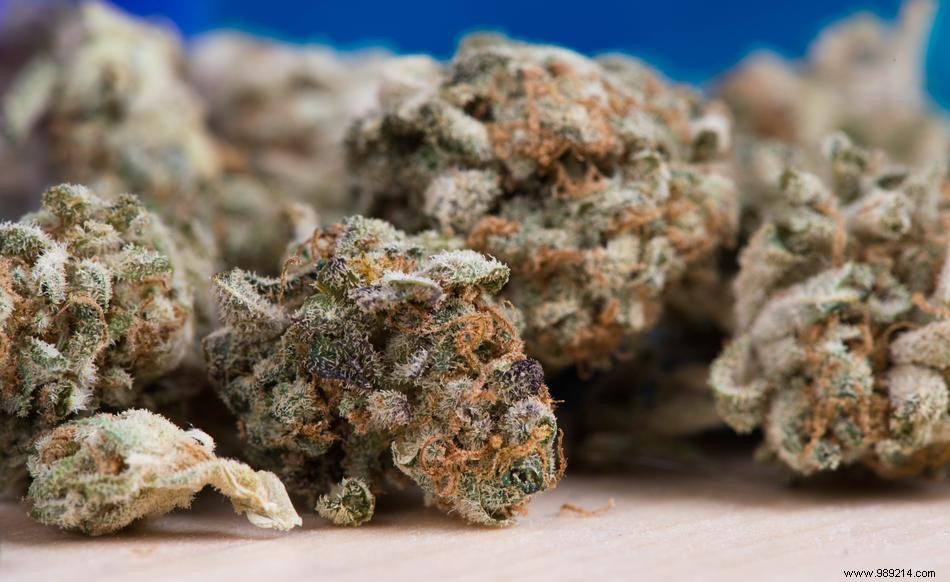
Like CBD, CBG occupies a legal gray area in France and much of Europe, where THC is restricted but other cannabinoids are not outright banned. CBG products, such as "light flowers," may contain trace THC but must stay under 0.2% to comply with regulations—making legal purchase straightforward.
Though less studied than THC or CBD, CBG is gaining scientific traction. A 2018 Spanish study confirmed its interactions with the endocannabinoid system's CB1 and CB2 receptors. Earlier research highlights analgesic and anti-inflammatory effects, plus potential against glaucoma, appetite loss, and tumor growth—though more validation is needed.
The most promising findings come from McMaster University in Canada (March 2020), showing CBG's efficacy against antibiotic-resistant bacteria like Staphylococcus aureus and Escherichia coli. The WHO warns these superbugs could claim 10 million lives by 2050 without intervention.
