A viral TikTok video from a U.S. nutritionist has ignited debate: Can 1,200 calories a day truly sustain you? Shockingly, many dieters still target this limit daily.
A surprising discussion is buzzing on TikTok, as highlighted in BuzzFeed News on January 15, 2021. The nutritionist posed a straightforward question to her followers: "Is 1,200 calories enough for you?" She revealed that this amount suffices for a 30 kg dog or a toddler—but falls far short for an adult woman's daily needs.
In the comments, countless women shared that this calorie threshold is commonly prescribed in weight-loss plans. Author Scaachi Koul recounted her own experience, echoing her mother's belief that 1,200 calories was the key to slimming down.
This so-called "ideal" intake dates back over a century. Diets emerged in late 19th-century Germany but exploded in popularity across the U.S. In 1918, Dr. Lulu Hunt Peters published Diet and Health: With Key to the Calories, pioneering calorie counting. Post-World War I, food restriction was even seen as patriotic.
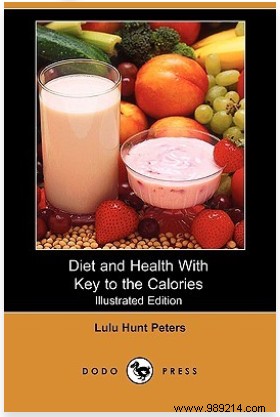
Dr. Peters recommended dividing 1,200 daily calories like this:
– Breakfast: Hot beverage with skim milk (200 calories).
– Lunch: Vegetables, a touch of mayonnaise, and fresh cheese (350 calories).
– Dinner: Wheat, vegetables, peanuts, dried prunes, and skim milk (650 calories).
By 1924-1925, her book was a bestseller, and its influence lingers nearly 100 years later. Yet, like extreme fasting, this approach carries serious risks to physical and mental health. Even sedentary adults require more calories. Such restriction triggers deprivation, leading to bingeing and the dreaded yo-yo effect. Ultimately, no one-size-fits-all calorie target exists—metabolism, hormones, activity, and personal factors vary widely.
