A landmark study involving over 52,000 people indicates that brown fat may safeguard against numerous chronic conditions, including type 2 diabetes and hypertension. Findings are detailed in Nature Medicine.
The human body contains more than one type of fat. The predominant form, white adipose tissue, appears milky yellow and primarily stores energy, contributing to weight gain. In contrast, brown adipose tissue has an orange-to-reddish hue and functions more like muscle. Long studied in newborns and animals, brown fat was recently confirmed in some adults, typically around the neck and shoulders. This discovery spurred extensive research into its role.
Unlike white fat, brown fat is thermogenic, generating heat by burning energy from white fat stores. However, its full benefits remain under investigation.
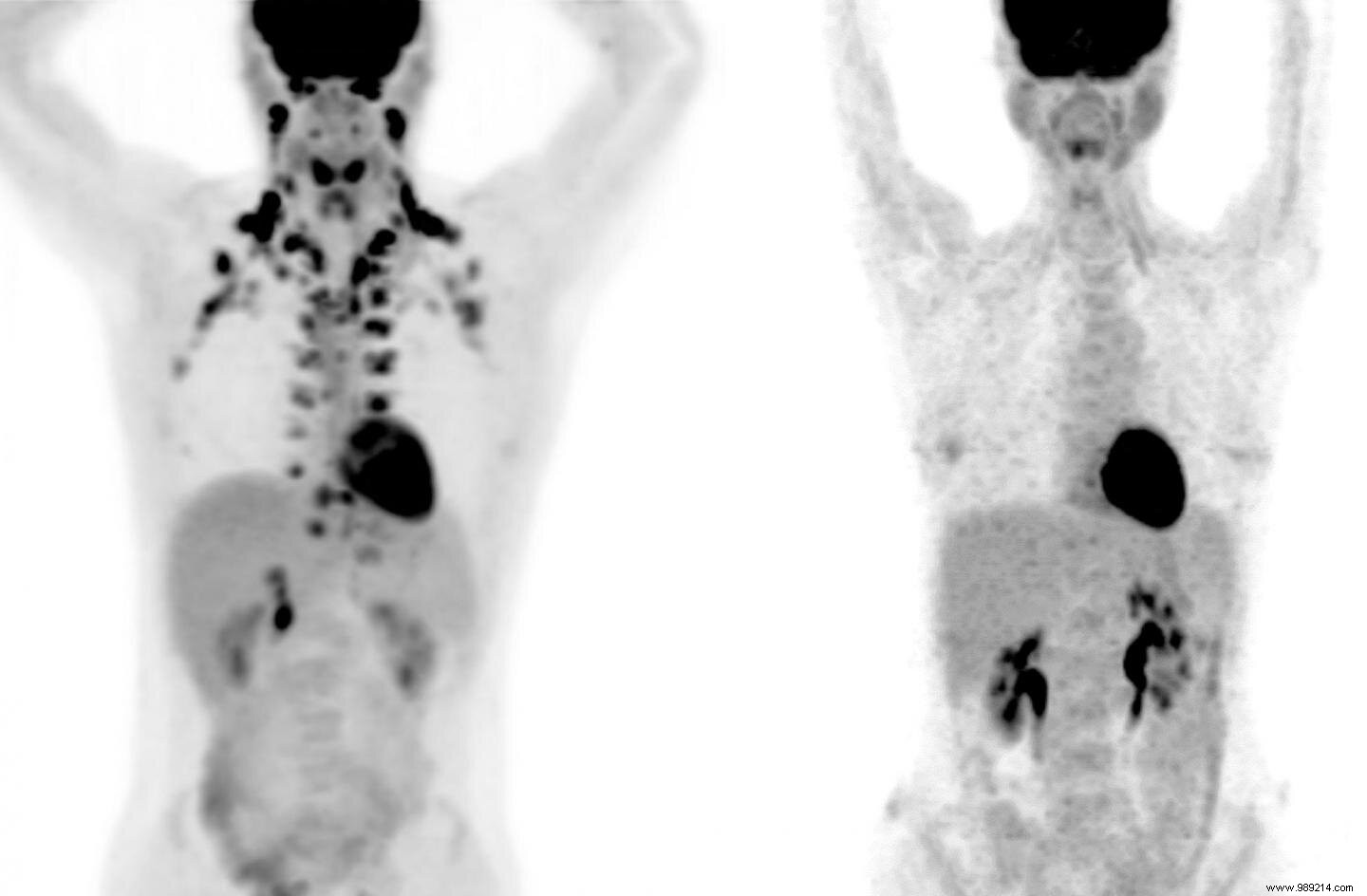
Studying brown fat poses challenges, as it is detectable only via PET scans, an expensive imaging technique involving radiation. "These scans are costly, and more critically, they expose people to radiation," explains Tobias Becher, the study's lead author. "We avoid using them on healthy individuals unnecessarily."
The research team innovated by leveraging data from New York City's Memorial Sloan-Kettering Cancer Center. Thousands of patients undergo CT scans there annually, and radiologists routinely identify brown fat to distinguish it from tumors.
"This presented a unique opportunity to examine brown fat across a large population," Becher adds.
Analyzing 130,000 PET scans from over 52,000 patients, the team detected brown fat in about 10% of individuals. Notably, these people showed lower rates of several chronic conditions. For instance, type 2 diabetes affected just 4.6% of them, versus 9.5% in those without detectable brown fat. Abnormal cholesterol levels were seen in 18.9%, compared to 22.2% in the others.
Individuals with brown fat also faced lower risks of hypertension, congestive heart failure, and coronary heart disease.
Intriguingly, brown fat appears to mitigate obesity's harmful effects. Among obese participants with brown fat, rates of heart and metabolic diseases mirrored those of non-obese individuals. "It seems to shield them from white fat's downsides," Becher notes.
This research broadens brown fat's recognized health advantages. "It's the first to link it with reduced disease risk," says Paul Cohen of Rockefeller University Hospital. "These findings bolster confidence in brown fat as a therapeutic target."
The precise ways brown fat promotes health are not yet fully understood. The authors suggest its cells consume glucose to burn calories, thereby lowering blood sugar—a key diabetes risk factor. Yet this doesn't account for all benefits. "Brown fat likely does more than just metabolize glucose and calories," Becher speculates. Further studies are essential.
Future efforts will explore genetic factors influencing brown fat levels and address the pressing question: "How can we increase brown fat?"
