Identified nearly two centuries ago, Dupuytren's disease primarily impacts middle-aged men. This condition, driven by strong genetic factors, disproportionately affects Europeans—especially Icelanders—earning it the nickname "Viking disease."
In 1831, Baron Guillaume Dupuytren (1777-1835), a renowned surgeon at Paris's Hôtel-Dieu, first described this condition involving retractile fibrosis of the palmar aponeurosis—the membrane between the flexor tendons and skin. It leads to fibrous nodules and finger deformities. The disease progresses slowly, causing gradual retraction of palmar tissue, loss of finger extension, and a hooked finger position that prevents full hand opening. Daily activities become significantly impaired for those affected.
Dupuytren's disease impacts 3-5% of Europeans. Men over 45 account for 70-80% of cases. Its prevalence in Icelanders—over 30% of men aged 70—underpins the "Viking disease" label.
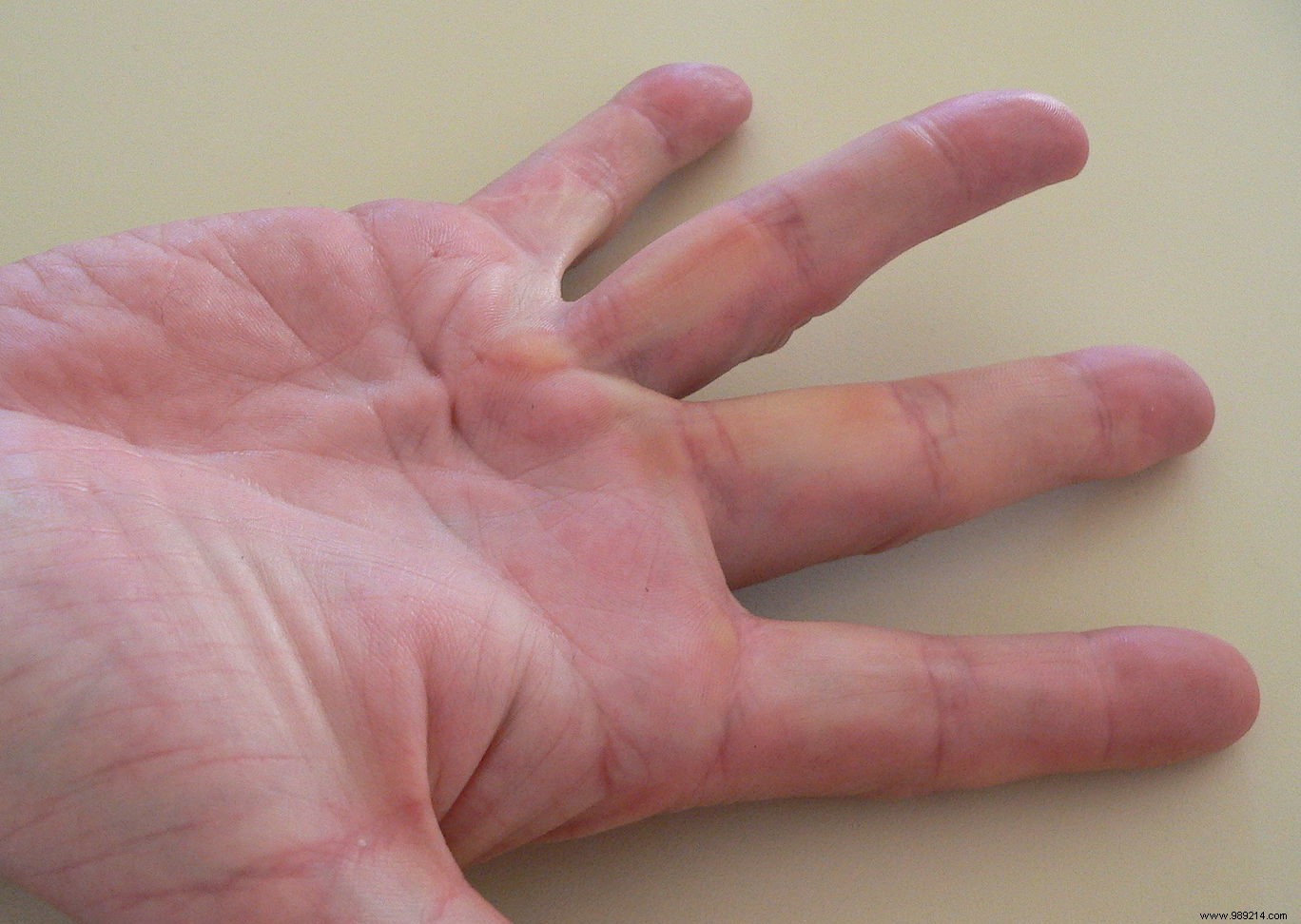
The condition stems from fibroblast and myofibroblast proliferation, resulting in collagen buildup. While the exact cause remains unclear, immune factors like T-lymphocyte-driven inflammation are suspected. Research strongly links it to genetics.
Risk factors such as alcohol use, manual labor, or epilepsy show correlations but lack proven causality. Diabetes, however, is a confirmed influencer.
Trials with vitamin E, anti-inflammatories, and ultrasound have shown limited efficacy. For mild cases, options include micropuncture to break cords or collagenase injections to dissolve them.
Severe cases often require surgery: aponeurotomy (cord sectioning) or aponeurectomy (fibrous tissue removal). Aponeurectomy, while effective, carries higher complication and scarring risks, with a 50% recurrence rate, making it less common.
