Osteopathy was pioneered by Andrew Taylor Still, a 19th-century American physician. He took a unique approach to the body's mechanics, prioritizing the in-depth study of patient anatomy (structure and organs) and physiology (their functions).
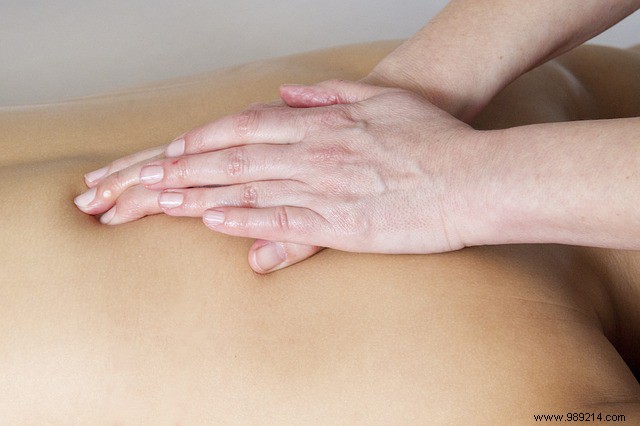
Osteopaths use their hands as primary tools to palpate the body, pinpointing dysfunctions in tendons, muscles, bones (osteon means bone), nerves, joints, and organs like the liver, stomach, and intestines. Only after this precise assessment does treatment begin with targeted manipulations to restore joint mobility and musculoskeletal harmony.
Seek osteopathic care for any musculoskeletal issue—even without pain—such as kidney, back, neck, leg, or arm discomfort. It also effectively addresses related conditions like migraines, stomach aches, or stress, when linked to the skeletal system.
Children, particularly newborns whose skulls may have been compressed during birth, respond exceptionally well. Osteopaths gently realign cranial bones to promote optimal development.
Osteopathy's rising popularity has led to a surge in practitioners, but quality varies. Beyond word-of-mouth, verify credentials: since December 2014, France's Ministry of Health approves schools issuing ARS-registerable diplomas. Consult their website for the official list. Opt for an osteopathic physician—a qualified MD with osteopathy training—who can prescribe medications or refer to specialists if needed.
Session fees range from 40 to 100 €, depending on location and practitioner. While not covered by Social Security, many mutual insurers reimburse sessions under alternative medicine plans.
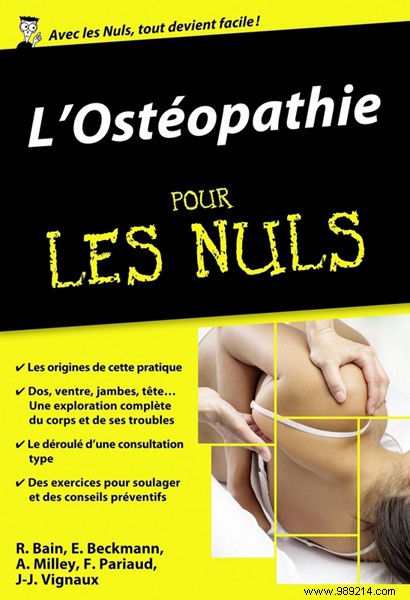
For an accessible introduction, explore Osteopathy for Dummies by experts Renan Bain, Eytan Beckmann, Arthur Milley, Frederic Pariaud, and Jean-Jacques Vignaux (Editions First - February 2016).
