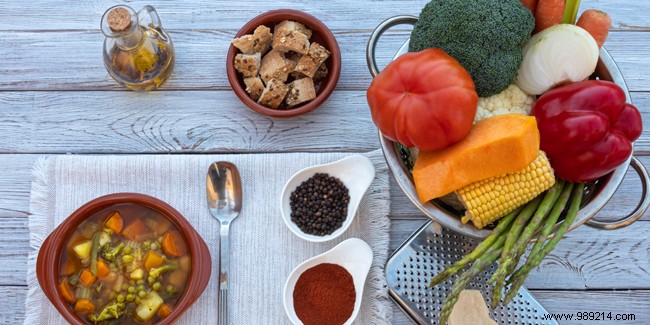
The flexitarian diet emphasizes environmentally friendly foods that support long-term health, without banning any food groups. It prioritizes plant-based proteins while reducing meat and fish intake. More of a mindful eating style than a strict regimen, it encourages choosing high-quality foods over abundance—think "eat smarter," not "eat less."
The term "flexitarian" describes a flexible approach that gradually boosts plant proteins and cuts back on animal sources like meat and fish. This promotes sustainable foods that meet today's needs without jeopardizing future generations. As Public Health France defines it, sustainable food respects the environment, remains economically accessible, ensures social equity, and provides sufficient quality and quantity for all—now and in the future.
Unlike vegetarianism, which excludes meat, fish, seafood (and sometimes eggs), or veganism, which eliminates all animal products including dairy and honey, flexitarianism allows occasional indulgences. The name derives from "flexible," meaning adaptable to your lifestyle, preferences, and circumstances, per Le Robert dictionary.
Flexitarianism doesn't ban foods outright. Instead, it guides you to limit environmentally taxing options and prioritize quality, local produce based on your routine and desires.
It diversifies your plate by cutting back on meat and fish quantities and frequency, without going fully vegetarian.
This balanced approach suits everyone. Reducing pricey meat and fish frees up budget for organic, health-boosting foods that benefit you and the planet. Plus, less meat lowers risks of conditions like diabetes and cardiovascular disease, backed by health authorities.
Flexitarianism includes all foods but spotlights eco-friendly, local options—especially by curbing meat and fish.
Overconsumption drives deforestation, excessive transport, intensive farming, and overfishing, spiking greenhouse gas emissions.
To offset reduced animal proteins, ramp up plants like lentils, beans, chickpeas, and whole grains (rice, pasta, semolina) for essential nutrition.
Boost fruits and vegetables, varying types—prioritize seasonal and organic for sustainability.
Opt for whole foods like salads, soups, gratins, or homemade pies over processed items laden with additives.
