Polio has finally been eliminated across Africa, a major milestone. With other diseases declining through targeted programs, which one is next in line for worldwide eradication?
The World Health Organization (WHO) recently confirmed that the poliovirus has vanished from the African continent—no cases reported in over four years. This is a monumental achievement following its devastation in the 20th century. Yet, on a global scale, polio persists, prompting questions about the next disease to achieve true eradication.
In infectiology, "eradication" means zero cases worldwide over the long term. Smallpox remains the only success story, eradicated after more than a decade of mass vaccination campaigns. This year marks 40 years since its disappearance, a testament to sustained global efforts.
Polio's African success is regional elimination, not full eradication. Three poliovirus strains exist, with type 1 still circulating in Afghanistan and Pakistan.
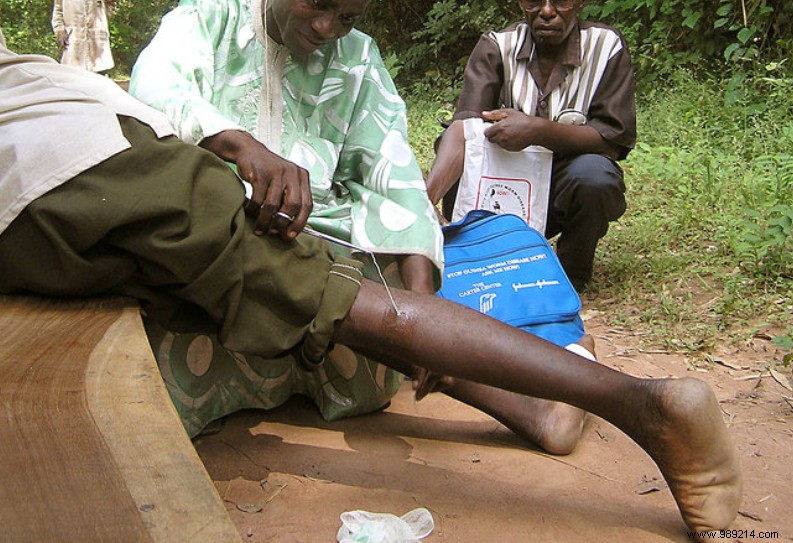
Drawing from WHO programs, three frontrunners emerge: dracunculiasis (guinea worm disease), measles, and yaws. Guinea worm disease, the first parasitic illness targeted for WHO eradication, afflicted over 3.5 million people across 20 countries in the 1980s. By 2018, cases were confined to Angola, South Sudan, and Chad. Only a handful were reported in 2019, including one in Vietnam—progress is accelerating.
Measles persists in regions like the Democratic Republic of Congo, Liberia, Madagascar, Somalia, and Ukraine. With no animal reservoir and a vaccine available for over 50 years, WHO aimed for eradication by 2015. By 2016, 85% of children worldwide were vaccinated, but 95% coverage is needed for herd immunity. Anti-vaccine movements have hindered progress.
Yaws, a syphilis relative, affects disadvantaged communities in tropical forests across 13 countries. No vaccine exists, but antibiotics are highly effective. WHO and UNICEF targeted it early on, setting a 2020 goal (see PDF roadmap), though delays suggest it won't happen this year.
