Though the exact cause of Crohn's disease remains elusive, recent studies point to a compelling suspect: adherent-invasive E. coli (AIEC) bacteria thriving in inflamed intestines.
Crohn's disease is a chronic inflammatory bowel condition affecting around 200,000 people, predominantly in Western countries. Experts agree its onset stems from a mix of genetic and environmental factors, triggering an overactive immune response in the gut.
What if certain bacteria play a key role? A collaborative U.S. and Canadian research team explored this in a study published April 1, 2021, in Nature Communications. They found that Crohn's inflammation promotes invasion by AIEC, detected in 70-80% of patients.
Distinguishing factors: Commensal E. coli supports a healthy gut microbiome, while AIEC is potentially pathogenic. The researchers identified overexpressed metabolic genes in inflamed environments, enabling AIEC survival and rapid proliferation.
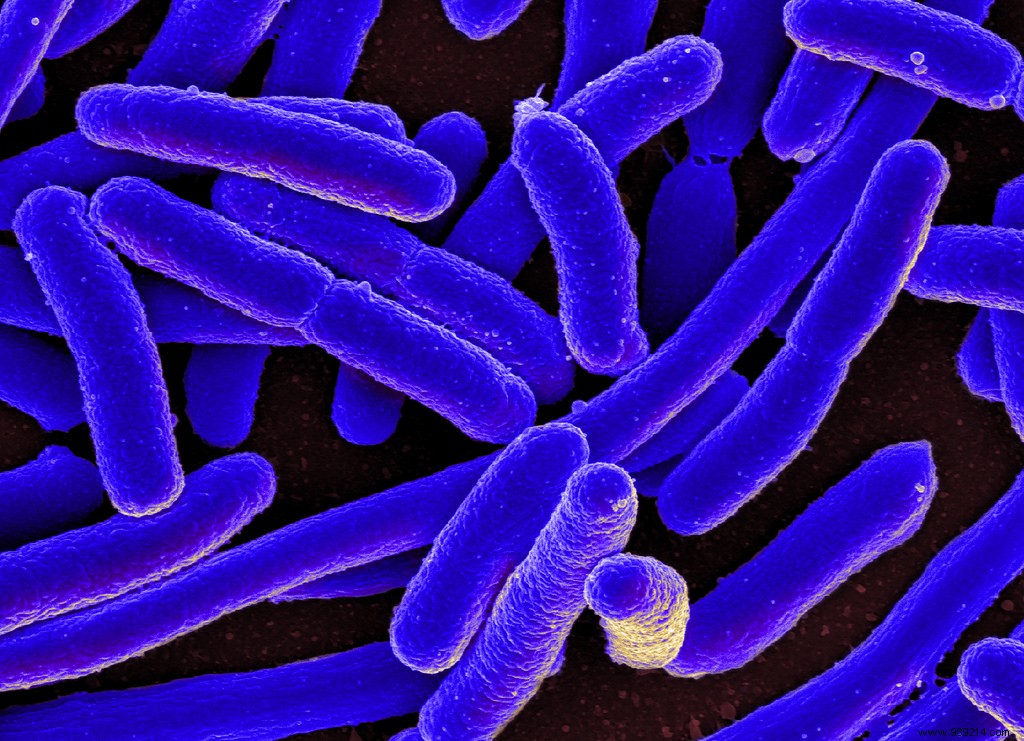
Key among these is the gene for the type IV secretion system (T4SS). In mouse models mimicking Crohn's, T4SS-deficient bacteria failed to colonize the gut. With T4SS intact, AIEC adheres to the intestinal lining, forming a biofilm that shields it from antibiotics.
T4SS involves proteins forming a pilus structure for DNA exchange, protein secretion, bacterial adhesion, and biofilm production. This resilience likely perpetuates Crohn's inflammation.
Are AIEC the root cause? Researchers view them as a potential trigger, but confirmatory studies are essential.
