As winter approaches, Bulgarians are growing alarmed over how severe air pollution could worsen the COVID-19 pandemic. The European Commission is set to impose sanctions on a government that has shown little progress in addressing the issue.
Nestled 590 meters above sea level at the base of Mount Vitosha, Sofia is home to 1.3 million residents. While pandemic lockdowns briefly improved air quality across Europe, the city has reverted to its notorious pollution levels. Sofia ranks 23rd globally in the IQAir 2019 index for pollution, trailing Santiago, Chile, but ahead of Tehran, Iran. With winter's arrival, a familiar haze has blanketed the city, as PM10 concentrations have surpassed the World Health Organization's 50 μg/m³ threshold over 24-hour periods.
The European Commission recently warned Bulgaria of legal action due to "systematic non-compliance" with air quality limits. It notes that Sofia—and other cities—have yet to implement meaningful on-the-ground measures.
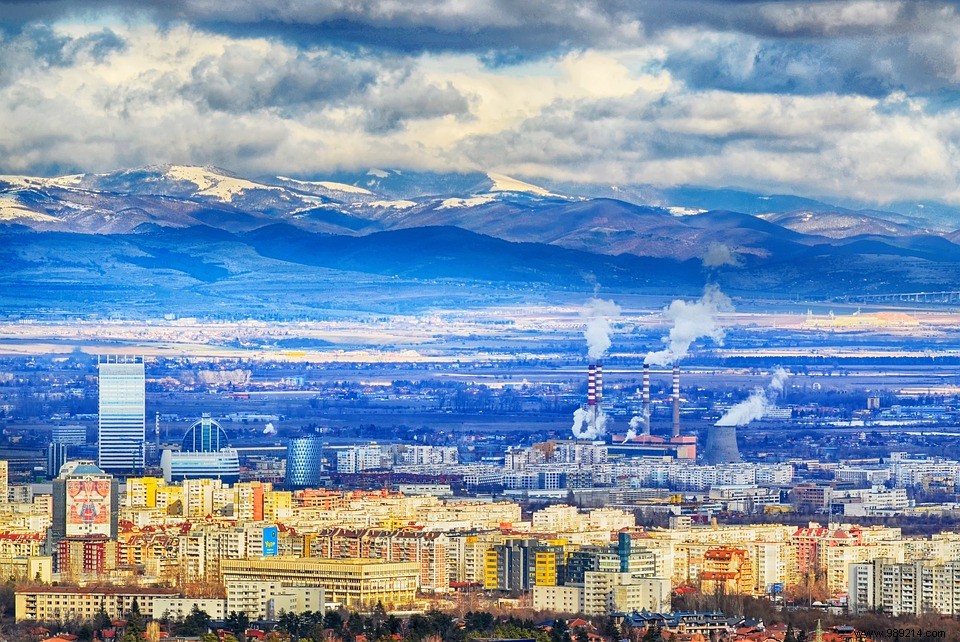
The main sources are clear: heating with coal, wood, and even tires, plastics, or old furniture in lower-income areas, plus emissions from an aging vehicle fleet.
This winter stands out due to the toxic interplay between air pollution and SARS-CoV-2. Bulgarian pulmonologist Alexandar Simidtchiev explains that fine particles damage organs body-wide, synergizing with COVID-19. They inflame the lungs and heart, intensifying the virus's impact and easing its entry into cells.
With over 175,000 cases and more than 5,400 deaths nationwide, Bulgaria recorded 983 fatalities between December 1 and 7, 2020. Initially resistant to curbs, Prime Minister Boyko Borissov's conservative government has shuttered restaurants, schools, and malls to ease the strain on overwhelmed hospitals.
