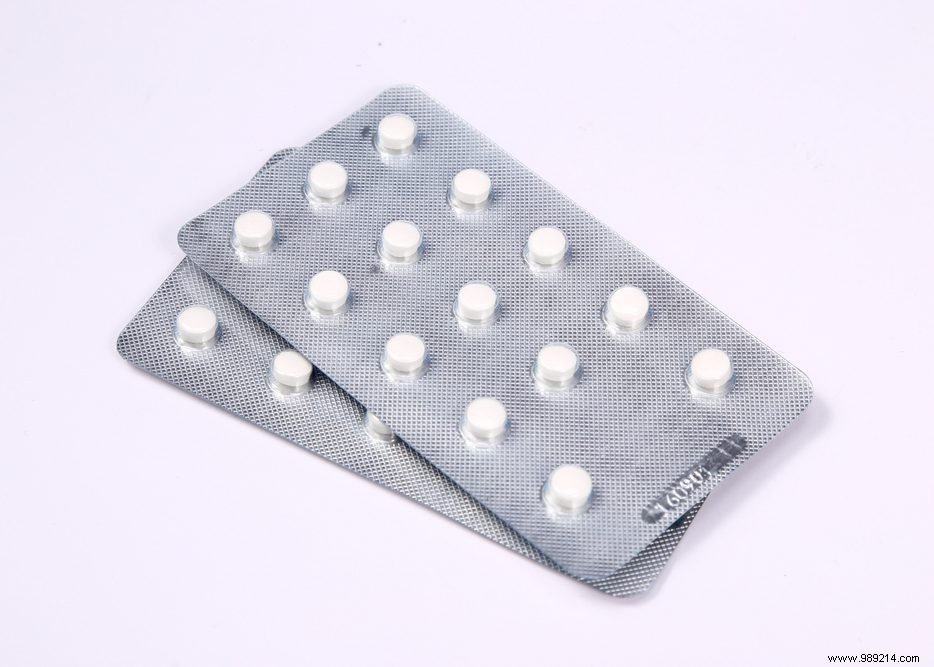
Recently, the Ministry of Health, Welfare and Sport announced the distribution of iodine tablets to 1.2 million households in the Netherlands, a key measure for public safety near nuclear facilities.
Who is eligible for iodine tablets?
Children and young people up to age 18 living within 100 km of a nuclear power plant qualify, while adults within a 20 km radius are also included. Check the official distribution map here: View map.
Are you pregnant?
The government recommends that pregnant women of all ages within 100 km (as the crow flies) of a nuclear power plant keep iodine tablets on hand to protect their unborn child. Available for purchase from pharmacies and drugstores since October 9, 2017, at a recommended price of €2.95.
Why distribute iodine tablets?
Though the risk of a nuclear accident is low, a release of radioactive iodine could pose long-term health risks, including thyroid cancer. Previously stored centrally, these tablets are now distributed directly to eligible households, ensuring faster access during an emergency.
How do iodine tablets work?
The thyroid gland stores iodine temporarily. In a nuclear incident, radioactive iodine could accumulate there, raising cancer risk years later. Timely intake of stable iodine tablets saturates the gland, blocking radioactive uptake and allowing it to exit via urine. Read more.
Need more details? Visit WhyGetIodineTablets.nl for comprehensive information.
