French startup Octopus Lab predicts indoor air quality for buildings before they're built, guiding local authorities on optimal materials and ventilation systems.
Can you assess a building's indoor air quality prior to construction? Octopus Lab answers yes with Indalo, a groundbreaking AI-based model. A finalist in the EDF Pulse 2020 startup awards, the company ensures healthy air for future occupants from the design stage.
Public authorities increasingly prioritize indoor air quality in public spaces. Issues often emerge post-construction or renovation due to inadequate ventilation or materials emitting excessive Volatile Organic Compounds (VOCs) from floors or walls. Remediation requires costly rework. Octopus Lab enables proactive anticipation of these problems by selecting the right ventilation and materials upfront.
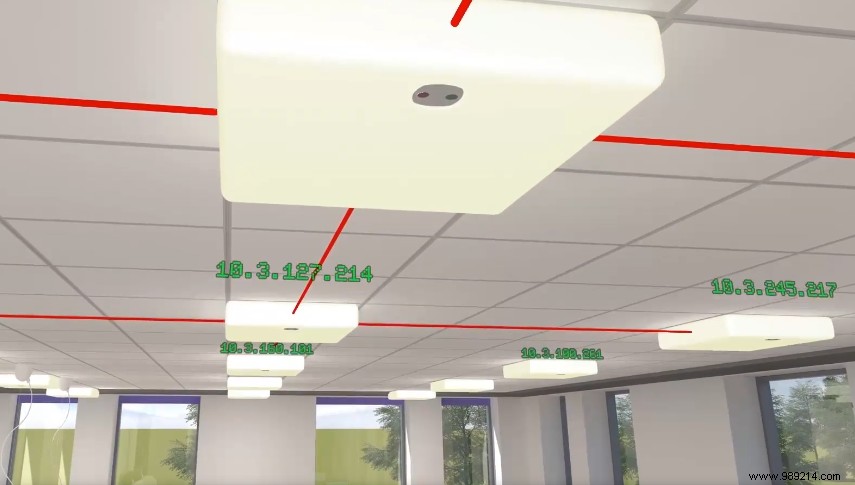
Indalo creates a detailed digital model from project specifications. It draws on a cloud database covering emissions from thousands of materials for over 1,000 pollutants, including fine particles and terpenes—using default values or precise data via partnerships with manufacturers. The algorithm also factors in ventilation systems, occupancy patterns, and local outdoor air quality.
Outputs include reports simulating pollutant concentration fluctuations over a typical week per room, source-specific diagrams, and emission origins—all via dynamic indoor air quality simulations. This supports local authorities in securing construction certifications while prioritizing occupant health.
Watch the Indalo project presentation video:
