Air pollution contributed to nearly six million premature births and three million underweight babies globally in 2019, reveals a comprehensive meta-analysis. Most affected infants were born in developing countries.
Air pollution ranks as a leading global health risk, yet its role in adverse perinatal outcomes has historically been viewed as suggestive rather than causal. While factors like smoking and poor nutrition are established risks for preterm birth and low birth weight, air pollution—particularly fine particulate matter (PM2.5)—has been overlooked despite mounting evidence of its harm during pregnancy.
Researchers from UC San Francisco and the University of Washington conducted a rigorous analysis of PM2.5 exposure and key pregnancy outcomes. PM2.5, the most extensively studied pollutant in this context, is already linked to chronic diseases.
Published in PLOS One, the study estimates air pollution caused nearly six million premature births and three million underweight babies in 2019 alone, predominantly in low- and middle-income countries.
In these regions, up to two-thirds of adverse effects stemmed from indoor air pollution from burning coal, manure, and wood for heating and cooking. The rest were tied to outdoor sources like vehicle emissions and industrial activity.
The authors project that minimizing air pollution in Southeast Asia and sub-Saharan Africa could reduce global preterm births and low birth weight by nearly 78%.
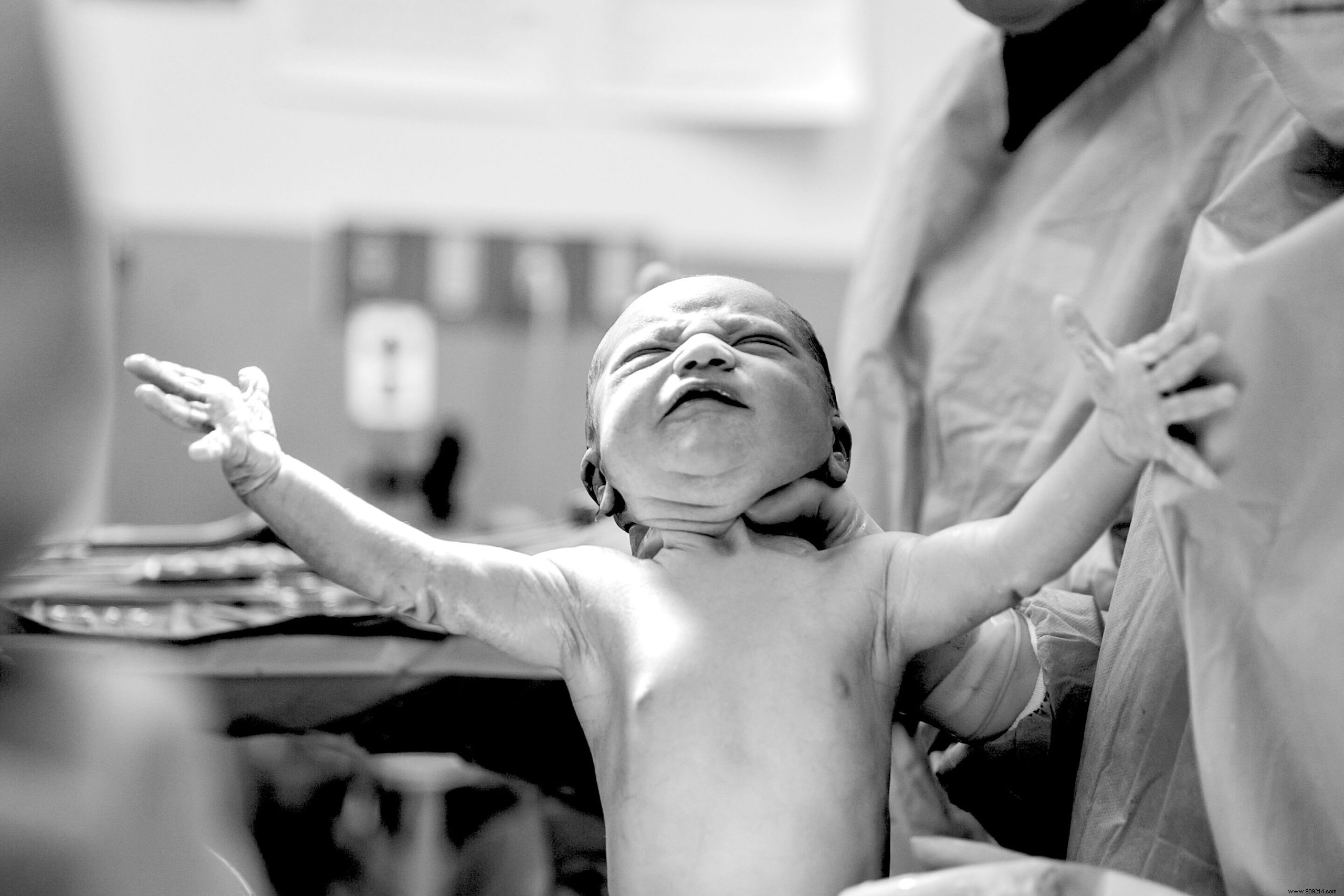
The precise mechanisms remain under investigation, but air pollution is known to introduce toxins into the bloodstream, trigger immune responses, and impair placental function. Soot particles have even been detected on the fetal side of the placenta.
The evidence is now unequivocal: pollution drives premature birth. "The burden of air pollution is enormous, but concerted action could slash it dramatically," says lead author Dr. Rakesh Ghosh. "This robust global evidence positions air pollution as a key driver of childhood morbidity and mortality, beyond just adult chronic conditions."
