The Zika virus outbreak has sparked global concern, particularly in Latin America, with significant risks for pregnant women.
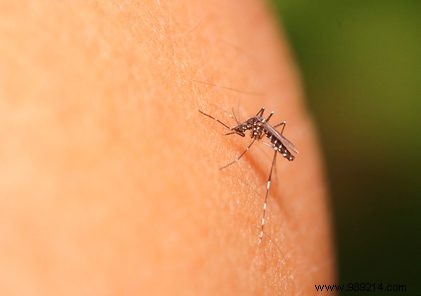
1. What is the Zika virus? Zika is a mosquito-borne virus transmitted primarily by the Aedes aegypti mosquito. It first emerged in Brazil in May of the previous year and has since spread to 20 other countries. Symptoms include fever, joint pain, and rash—similar to dengue and chikungunya—but Zika poses unique dangers for pregnant women.
2. Why is Zika dangerous for pregnant women?
Evidence links Zika to microcephaly, a birth defect causing underdeveloped brains and abnormally small skulls in newborns. Brazil reported a surge in such cases last year. Health authorities in Brazil and Colombia have advised women to delay pregnancy.
3. Are there other consequences? There's been a noted rise in Guillain-Barré syndrome, which causes muscle weakness and, in severe cases, paralysis or breathing difficulties. Most patients recover fully with treatment, but a direct link to Zika remains unproven.
4. Can I travel to Zika-affected countries?
If you're pregnant and travel isn't essential, postpone your trip to affected areas.
5. Where does Zika occur?
Check the latest list of affected countries on the European Centre for Disease Prevention and Control (ECDC) website.
