Virologists at Institut Pasteur du Cambodge have isolated a novel coronavirus closely related to SARS-CoV-2, the virus behind the COVID-19 pandemic, from bats stored in lab freezers since 2010.
As SARS-CoV-2 continues to circulate globally, scientists are intensifying efforts to trace its origins. Like its predecessor SARS-CoV from the early 2000s outbreak, SARS-CoV-2 is believed to originate from horseshoe bats (Rhinolophus genus). To confirm this, researchers are examining thousands of these mammals through field captures for blood, saliva, and fecal samples.
Complementing fieldwork, teams are analyzing preserved lab specimens. This approach has yielded a breakthrough: experts from Institut Pasteur du Cambodge in Phnom Penh isolated a new SARS-CoV-2-related coronavirus from frozen bats stored since 2010.
"This is exactly what we were searching for, and we found it," said lead researcher Dr. Veasna Duong. "It's both exciting and surprising." The findings are detailed in Nature News & Comment.
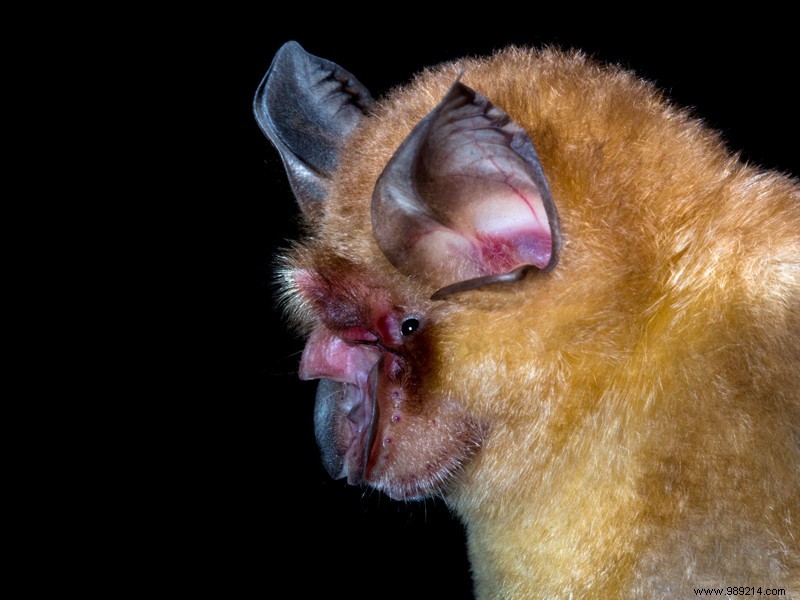
The virus was isolated from two Shamel's horseshoe bats (R. shameli). Initial analysis of a 324-base-pair genome segment revealed strong similarities to SARS-CoV-2 and its closest known relative, RaTG13. The full genome—around 30,000 base pairs—must now be sequenced for a precise comparison.
For it to be a direct ancestor, sequences would need at least 99% similarity. Currently, RaTG13 shares 96% of its genome with SARS-CoV-2; the two diverged 40 to 70 years ago.
Separately, another team identified coronavirus Rc-o319 in bat feces frozen since 2013 in Japan. It shares only 81% of its genome with SARS-CoV-2, per a November 2 publication—related, but not a pandemic origin candidate.
