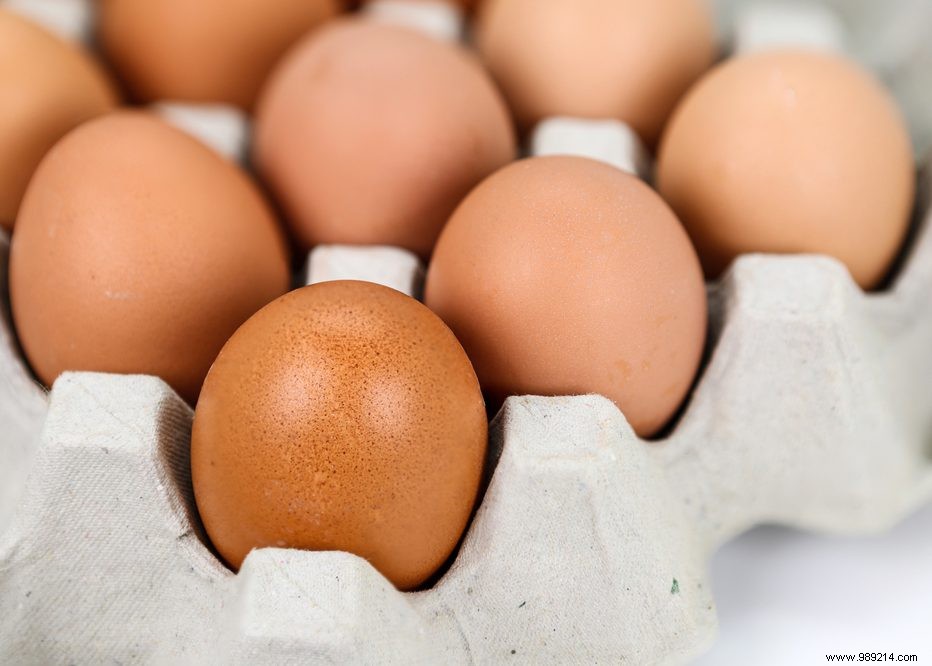
The Netherlands Food and Consumer Product Safety Authority (NVWA) is warning consumers about eggs contaminated with fipronil. The list of affected products has been expanded as investigations continue. Here's essential guidance from experts on what to watch for.
How to identify contaminated eggs
The NVWA website lists codes for contaminated eggs. Ongoing studies mean the list may grow, with updates posted promptly. Every egg bears a printed code—check yours against the list to confirm safety.
What is fipronil?
Fipronil is a pesticide used against insects and mites. The World Health Organization classifies it as moderately toxic to humans. A single exposure may cause temporary symptoms like nausea, headache, abdominal pain, or dizziness, with no lasting effects. Higher doses pose greater risks.
What if you've eaten a contaminated egg?
In most cases, a single egg poses no immediate danger. However, continued consumption could affect health, so discard any contaminated eggs. Young children and fetuses may be more vulnerable to fipronil.
Are eggs safe to eat? Yesterday, the NVWA advised limiting egg consumption until Sunday, when investigations into all companies should conclude, per NVWA spokesperson Freek van Zoeren. The poultry sector disputes the warning, calling it unnecessary alarm.
View the list of contaminated egg codes.
