Research from Trinity College Dublin reveals that popular polypropylene baby bottles can release up to 16 million microplastics per liter during formula preparation. Infants may ingest more than one million particles daily, prompting calls for further investigation into health impacts rather than undue alarm.
As concerns over microplastic pollution grow, a landmark study published in Nature Food on October 19, 2020, by experts at Trinity College Dublin examines particles shed from top-selling polypropylene baby bottles. Following World Health Organization (WHO) guidelines—sterilizing bottles and mixing formula with water at 70°C to kill bacteria—the team found significant releases.
Some bottles emitted up to 16 million particles per liter at these temperatures. Higher heat, such as 95°C water, increased this to 55 million particles per liter, while room-temperature water at 25°C reduced it to about 500,000. Analyzing sales data from 48 countries, researchers estimated a 12-month-old baby ingests an average of 1.5 million microplastics daily. This exposure is more prevalent in developed countries where formula feeding is common over breastfeeding.
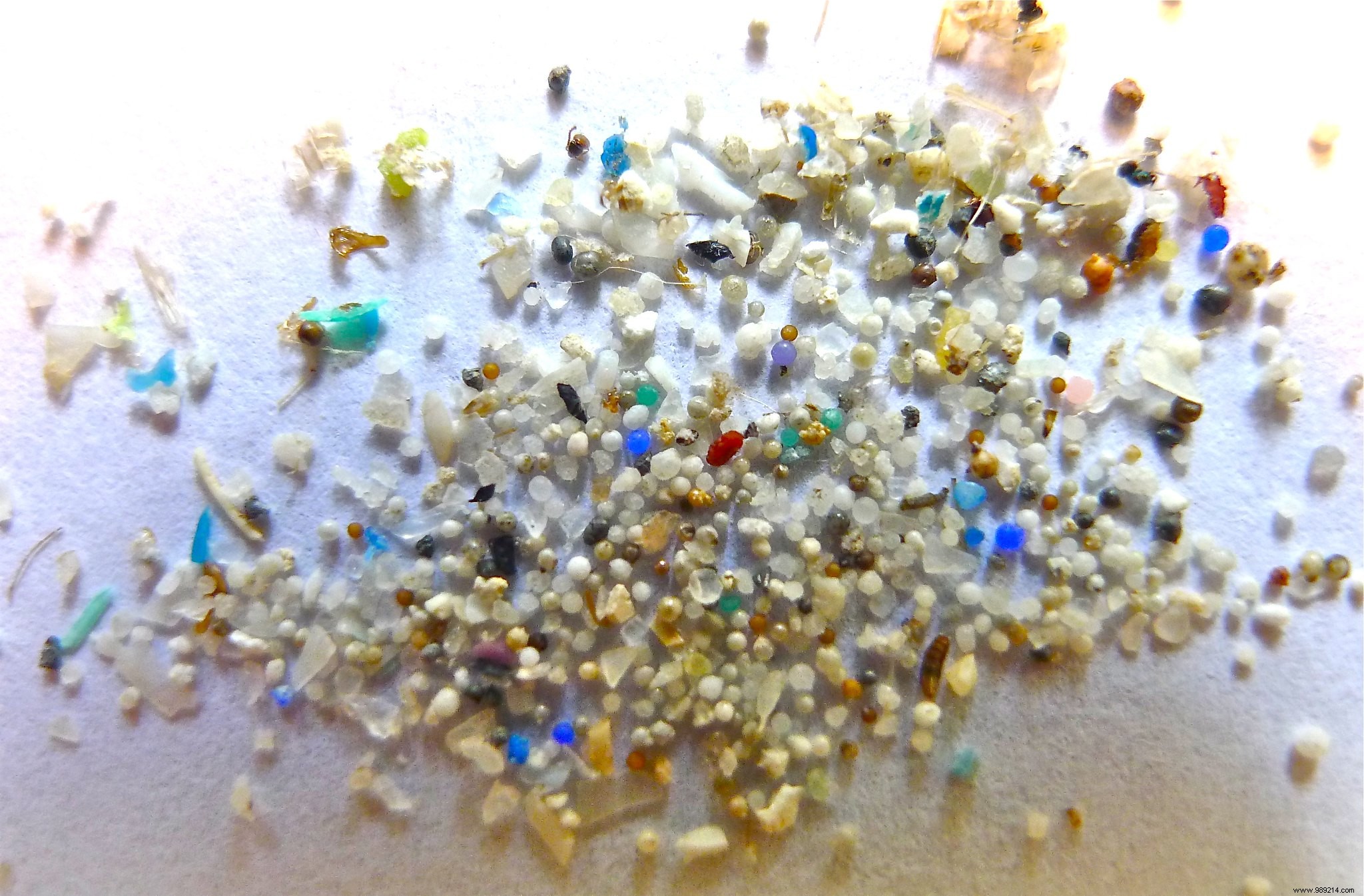
The study's authors emphasize avoiding unnecessary parental worry, as data on long-term effects is limited. Microplastic presence in food is well-documented—a 2020 WWF report estimated adults consume up to five grams weekly, akin to a credit card.
Key questions persist: Do these particles pose direct risks upon ingestion? What about chemical additives? Preliminary hypotheses suggest particles may pass through the body rapidly. Polypropylene bottles gained prominence after the 2010 bisphenol A ban.
To minimize exposure, Trinity College experts recommend: rinsing bottles multiple times with cold sterilized water, preparing formula in non-plastic containers then transferring cooled liquid, avoiding vigorous shaking, and never using microwaves.
