Scientists at the University of Pennsylvania have engineered potent new antimicrobial peptides derived from toxic proteins in wasp venom, offering a promising strategy against antibiotic resistance.
While bees often get the spotlight, wasps are frequently misunderstood, linked mainly to painful stings. Yet these insects play a vital ecological role as natural pest controllers, preying on crop-damaging insects. They also serve as key pollinators, filling gaps left by declining bee populations.
Beyond ecology, wasps hold potential in tackling antibiotic resistance.
Since their development in the 1920s, antibiotics have saved countless lives from bacterial infections. However, bacteria evolve rapidly, developing resistance through widespread use. Control measures are losing effectiveness, with experts warning that resistant strains could claim up to 10 million lives annually by 2050 without new solutions.
As more bacterial species resist conventional antibiotics, innovative approaches are essential to prevent infections. Enter wasp venom.
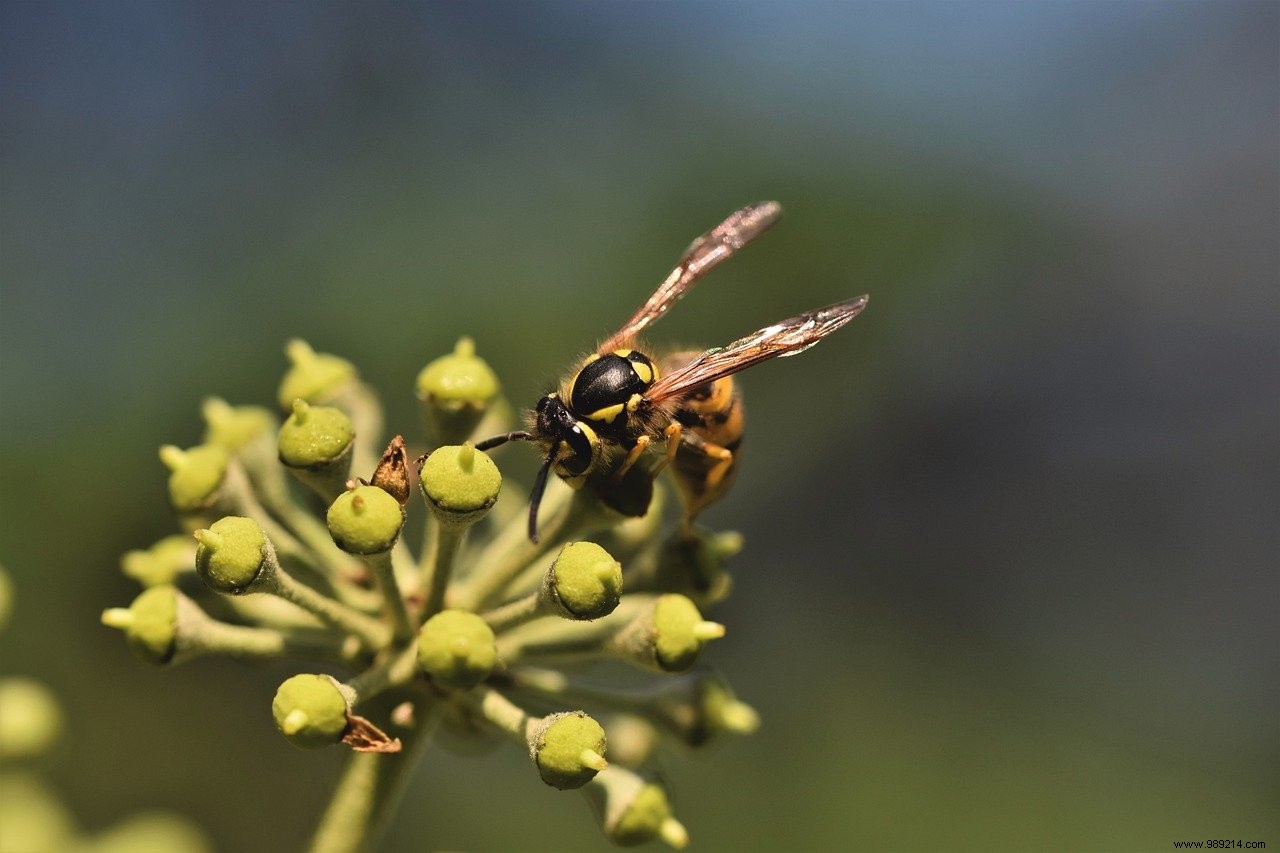
In a study published in Proceedings of the National Academy of Sciences, University of Pennsylvania researchers isolated a potent toxin from the venom of the Korean yellowjacket wasp (Vespula lewisii) with strong antimicrobial properties.
"New antibiotics are urgently needed to treat the ever-increasing number of drug-resistant infections, and venoms represent an untapped source of potential new drugs," the researchers state in a press release. "We believe venom-derived molecules like those we've engineered will prove invaluable."
The molecule, a peptide called mastoparan-L, is a primary toxin in this wasp's venom and a known antibacterial agent. In its natural form, however, it offers only moderate bacterial toxicity while also damaging red blood cells and triggering allergic reactions in some people.
To unlock its potential, the team modified a critical region of the peptide that governs immune interactions and antimicrobial activity. These optimizations boosted its antibacterial efficacy while reducing toxicity to human cells.
Further research is needed, but this engineered peptide could become a powerful tool against bacterial resistance. Full details are available in the Proceedings of the National Academy of Sciences.
