It's too soon for definitive scientific comparisons of memory function before and after the COVID-19 pandemic. Yet, countless individuals report noticeable memory lapses. Decades of memory research offer valuable clues to these changes.
France faced a second nationwide lockdown until at least December 1, 2020, amid the ongoing pandemic. Reflections from the first lockdown highlighted benefits like pet ownership for mental health and moments of existential introspection. A November 16, 2020, BBC Future article noted potential memory impacts from confinement. While pre- and post-pandemic data is lacking, many report memory alterations.
Isolation and reduced social interactions disrupt brain function. Casual chats over coffee or evenings with friends reinforce episodic memory through repetition. Without them, recall weakens.
Some turn to new technologies for connection, but online exchanges often lack depth, making details harder to retain. Isolation frequently breeds anxiety, compounding issues.
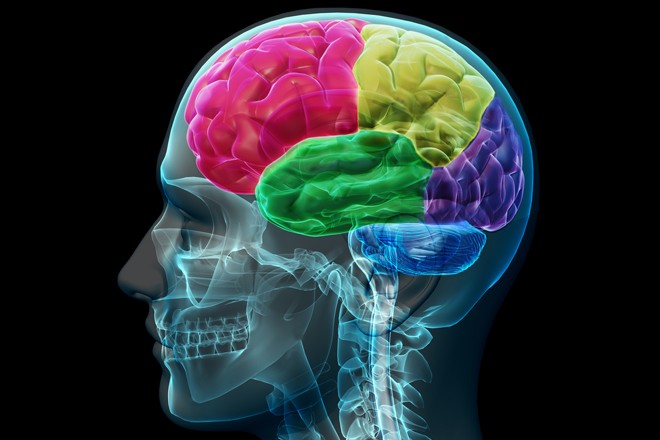
Lockdowns limit spatial landmarks essential for mnemonic devices. Daily commutes and outings tie memories to diverse locations. Home confinement creates a uniform spatial framework for all activities, including remote work.
Fatigue from sustained concentration exacerbates this, with rising insomnia reports since the pandemic began.
A April 2020 study by neurologist Catherine Loveday of the University of Westminster (UK) links sedentary lifestyles to memory changes. Prolonged home stays underuse the hippocampus, vital for memory and navigation.
