In the early 20th century, engineers designed steam radiators to combat disease by enabling winter ventilation—overheating homes so windows could stay open for fresh air circulation.
Linking pandemics to heating systems isn't obvious, but steam radiators were crucial against the 1918-1919 Spanish flu, which claimed 50 to 100 million lives worldwide. As Bloomberg detailed in an August 6, 2020 article, these radiators persist in older U.S. city buildings. Their purpose? Intentionally overheating spaces to allow ventilation even mid-winter.
Back then, stale exhaled air was public enemy number one. Public health expert Lewis Leeds championed steam heaters, estimating exhaled air caused 40% of U.S. deaths. This shifted norms toward opening windows year-round.
In 1901, New York's Tenement House Act mandated a window to the outdoors in every room. By the Spanish flu's arrival in 1918, ventilation was standard—necessitating radiators that could heat rooms intensely despite open windows and winter chill.
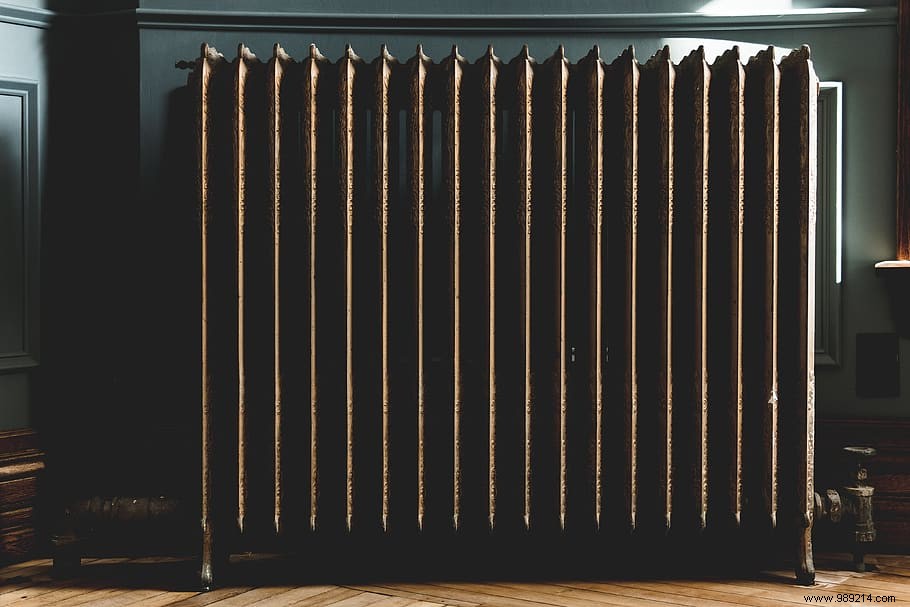
Could these steam radiators help against COVID-19? In New York, 80% of buildings from 1900-1930 still use them, evolved with modern fuels like natural gas for better efficiency.
Improved insulation, especially windows, has made them overly powerful, prompting adaptations like surface coatings or wool covers to temper output. With U.S. COVID-19 cases exceeding 5.5 million and 173,000 deaths at the time, these systems may aid winter ventilation efforts.
