University of Central Florida (UCF) researchers have pioneered a nanoparticle-based sanitizer that neutralizes multiple viruses on surfaces for up to seven days after one application. This innovation holds strong potential against COVID-19 and future pathogens.
The COVID-19 pandemic underscored the urgent need for robust antiviral surfaces and long-lasting disinfectants. Conventional wipes and sprays typically sanitize for just 3-6 minutes, with effects fading within hours, necessitating frequent reapplication to curb pathogen spread.
In a study published in ACS Nano, UCF scientists developed a formula that maintains microbe-killing power on surfaces for seven days post-application.
Christina Drake, founder of Kismet Technologies, initially aimed for a rapid disinfectant. Feedback from doctors and dentists revealed a greater demand for persistent protection on high-touch surfaces like doorknobs, even days after use.
Drake collaborated with UCF materials engineer Dr. Sudipta Seal and virologist Dr. Griff Parks, director of the Burnett School of Biomedical Sciences. Backed by National Science Foundation funding, they created a disinfectant using nanoparticles featuring cerium oxide nanostructures—renowned for their regenerative antioxidant traits—enhanced with trace silver for amplified pathogen combat.
"It works chemically and mechanically," explains Dr. Seal. "The nanoparticles release electrons to oxidize viruses, inactivating them. Mechanically, they latch on and rupture the viral envelope—like popping a balloon."
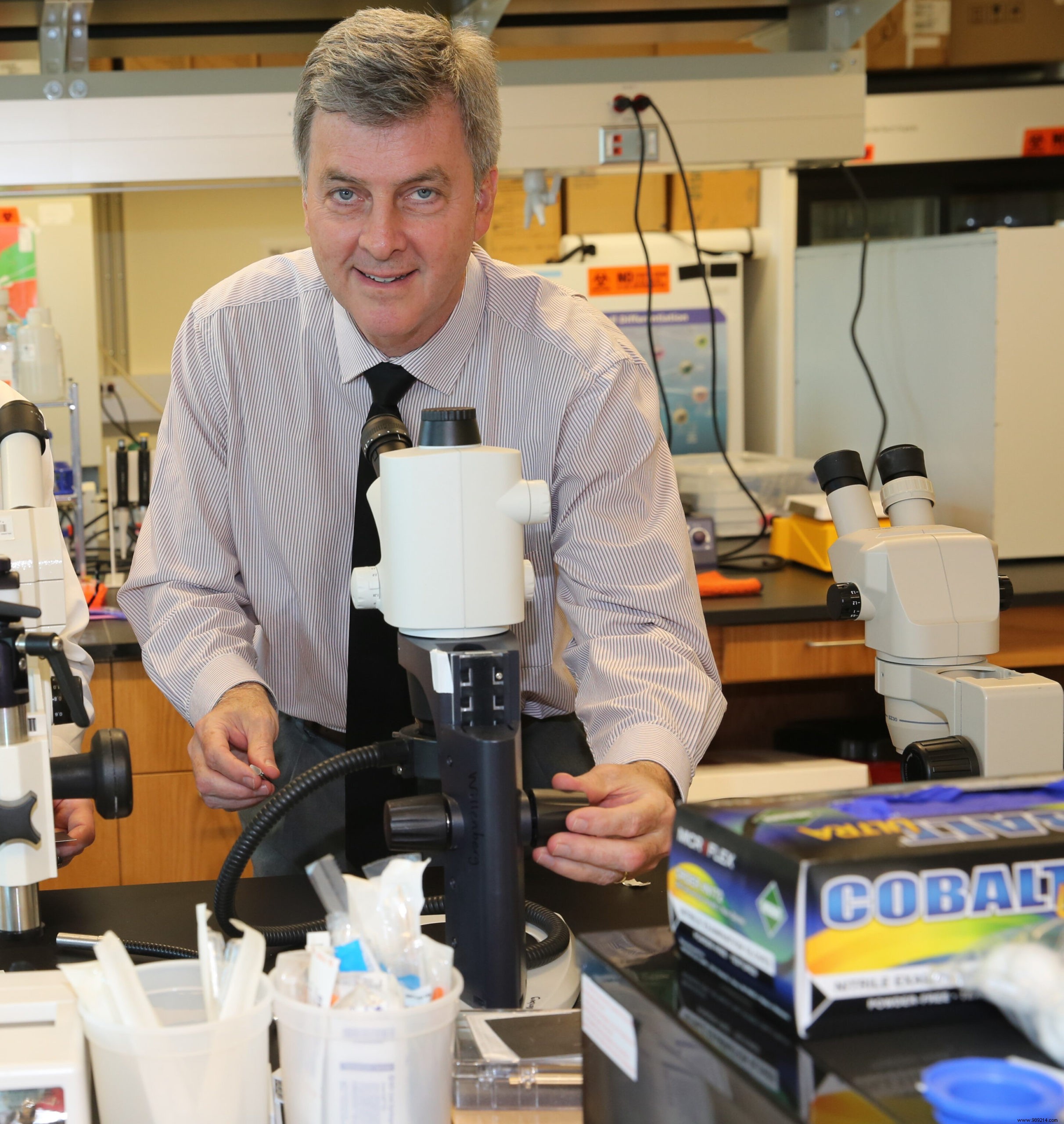
The study demonstrated potent antiviral efficacy against seven viruses. "It excelled against the novel coronavirus and rhinovirus, while tackling a broad spectrum of pathogens with varying structures," says Dr. Parks. "This destructive power positions it as a vital defense against emerging viral threats."
Free of harsh chemicals, this formula could slash hospital-acquired infections. Next, the team will test real-world durability against heat, sunlight, and other variables.
