Conservation experts warn that the global push for COVID-19 vaccines may endanger already vulnerable shark populations. Several pharmaceutical companies are relying on squalene, sourced from shark livers, as a key ingredient in vaccine development.
Sharks, like other cartilaginous fish, maintain buoyancy in water with minimal energy thanks to their large livers filled with oils, including the fatty acid squalene. This compound is prized for its moisturizing effects in cosmetics and sunscreens. Crucially, squalene also serves as an adjuvant in vaccines, enhancing immune responses to boost drug efficacy.
As of September 29, about 17 of the 176 vaccines in clinical and preclinical trials incorporated adjuvants, with five relying on squalene, per reports.
One such adjuvant, MF59, contains roughly 9.75 milligrams of squalene per dose, as noted by Katie Camero in the Miami Herald. This formula has previously been used against MERS and SARS.
Scaling up for global vaccination with a single dose would require the livers of nearly 250,000 sharks, estimates nonprofit Shark Allies. A two-dose regimen could demand almost half a million.
Stefanie Brendl, founder and executive director of Shark Allies, highlights the dire implications for shark species already pressured by overfishing and the fin trade.
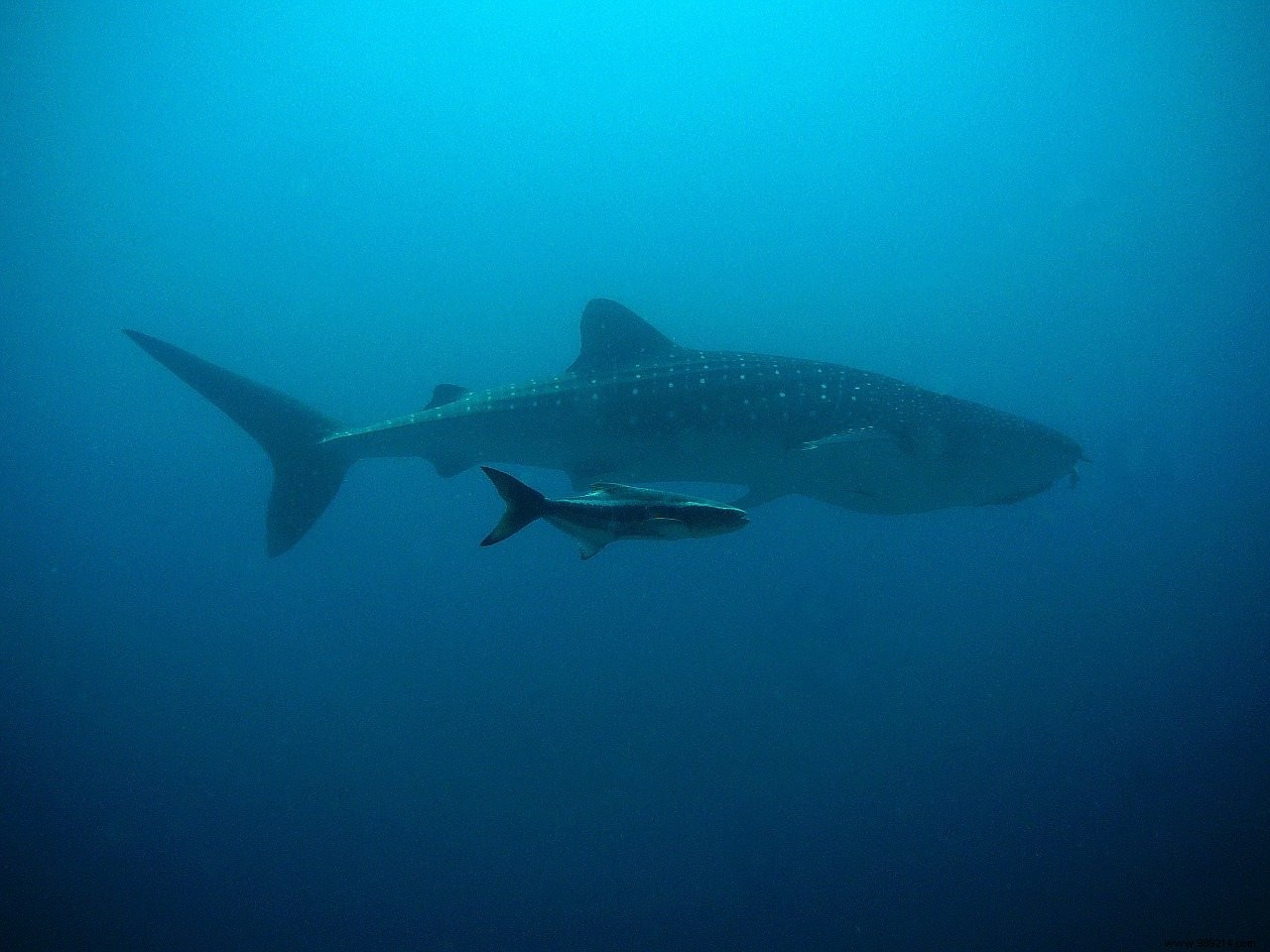
The squalene trade already claims around three million sharks annually, targeting species like hammerheads, great whites, whale sharks, and deep-sea varieties with outsized livers. These slow-growing fish with low reproduction rates struggle to recover from such losses.
Shark Allies isn't calling for delays in vaccine development but stresses the urgency of non-animal squalene sources, such as yeast, bacteria, olive oil, or sugarcane—options showing promise as adjuvants.
These alternatives cost up to 30% more and involve longer extraction processes. Yet, Brendl argues, with pharmaceutical firms poised for substantial vaccine profits, it's "reasonable to ask them to prioritize reliable, sustainable production methods."
