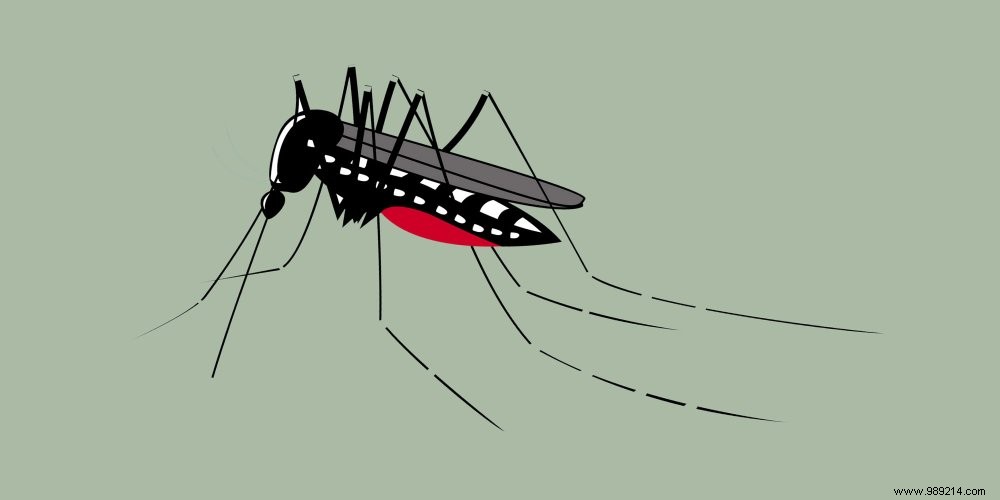
 The tiger mosquito, which first arrived in France in 2004, is now widespread across many regions. Capable of transmitting serious viruses like dengue and chikungunya, it demands vigilant protection strategies.
 For several years, the tiger mosquito has expanded into northern regions. Native to Asia, it transmits several serious diseases, as confirmed by health authorities.
Vigilances-moustiques.com's "2021 Tiger Mosquito Map" shows 64 departments on red alert, 6 on orange, and 26 on yellow. In total, 70 departments—nearly 67% of mainland France—are colonized or at risk. Overseas territories like Reunion Island face severe impacts.
The tiger mosquito (Aedes albopictus) isn't inherently dangerous, but its bites can trigger severe allergic reactions compared to common mosquitoes (Culex pipiens). More critically, it transmits viruses once limited to tropical areas, including dengue, chikungunya, and Zika.
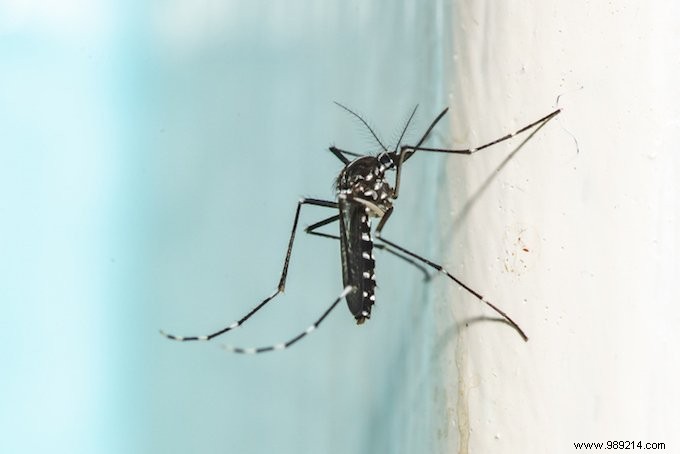
Tiger mosquitoes stay near breeding sites, so eliminating stagnant water—where females lay eggs—is key to effective control.
Empty flowerpot saucers on balconies, terraces, and gardens. Store toys, buckets, and containers to avoid rainwater accumulation.
Near high-risk areas, wear light-colored clothing, as they prefer dark shades. Install screens on doors and windows. Use WHO-approved repellents with icaridin, IR3535, or DEET for proven efficacy.
They bite day and night, preferring shade over direct sun—no need for evening-only precautions.
Identify them by their small size (1 to 4 mm) and thin white stripes on legs and abdomen.
Read also: