Among the elite superfoods, superfruits like China's Goji berry stand out for their impressive nutrition—though not without debate among experts.
The 'superfruit' concept, born in the U.S., highlights fruits with far superior nutritional profiles and antioxidant levels compared to everyday options. Standouts include pomegranate, acerola, durian, cranberry, and Goji berry.
Mainly grown in China's Ningxia Autonomous Region, Goji berry is the commercial name for the fruits of Lycium barbarum (common wolfberry) and Lycium chinense (Chinese wolfberry)—two of 70 Lycium species sold worldwide. These small, red, elongated berries offer a mildly sweet flavor and are typically sold dried, occasionally as juice blended with other fruits.
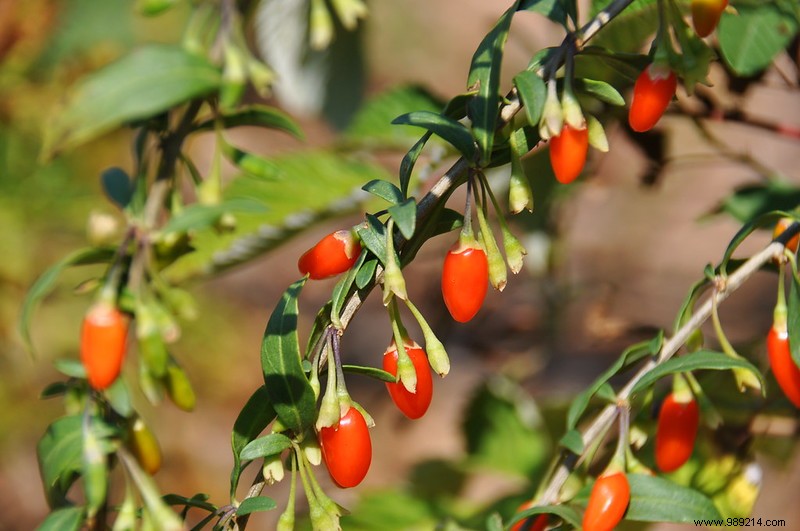
As detailed by Consoglobe, Goji berries have surged in popularity across Europe due to their exceptional nutrition. They boast five carotenoids—including beta-carotene, a vitamin A precursor linked to reduced risks of age-related macular degeneration (AMD) and slower cognitive decline. Eight polysaccharides (a type of carbohydrate) provide energy while supporting immune and cardiovascular health. Goji berries also deliver vitamins B1, B2, B6, C, and E; 18 amino acids (eight essential); and 21 trace elements. Phytosterols within may help regulate blood pressure and lower cholesterol.
That said, the hype is contentious. A 2010 Swiss RTS report, Goji berries: new miracle cure?, cited scientists arguing the buzz stems more from marketing than evidence. Nutritional perks align closely with those in apples or oranges. Imported dried berries have also tested positive for Acetamiprid—an aphid-targeting insecticide—at levels exceeding European standards.
