In the race for COVID-19 vaccines, a grassroots effort stands out: U.S. biologist Preston Estep and fellow researchers are testing a 'homemade' nasal vaccine on themselves due to limited funding.
Over 200 COVID-19 vaccines are in development worldwide, with around 30 in advanced clinical stages. Leading candidates like Moderna's mRNA vaccine (U.S.) and the University of Oxford's (U.K.) aim for rollout within months. These trials demand massive investments, often recruiting tens of thousands for late-stage human testing.
As detailed in a July 29, 2020, MIT Technology Review article, Preston Estep lacks such resources. Independent of major companies or federal funding, he devised an unconventional approach: self-testing his vaccine candidate.
Estep's project is a citizen-led initiative, operating outside standard FDA oversight in a legal gray area. He's backed by about 20 scientists from MIT and Harvard, including renowned geneticist George Church—known for woolly mammoth de-extinction research. Church received kits by mail and self-administered two doses a week apart over a month ago. In total, around 70 participants, including scientists and their networks, are involved. Notably, it's delivered as a nasal spray.
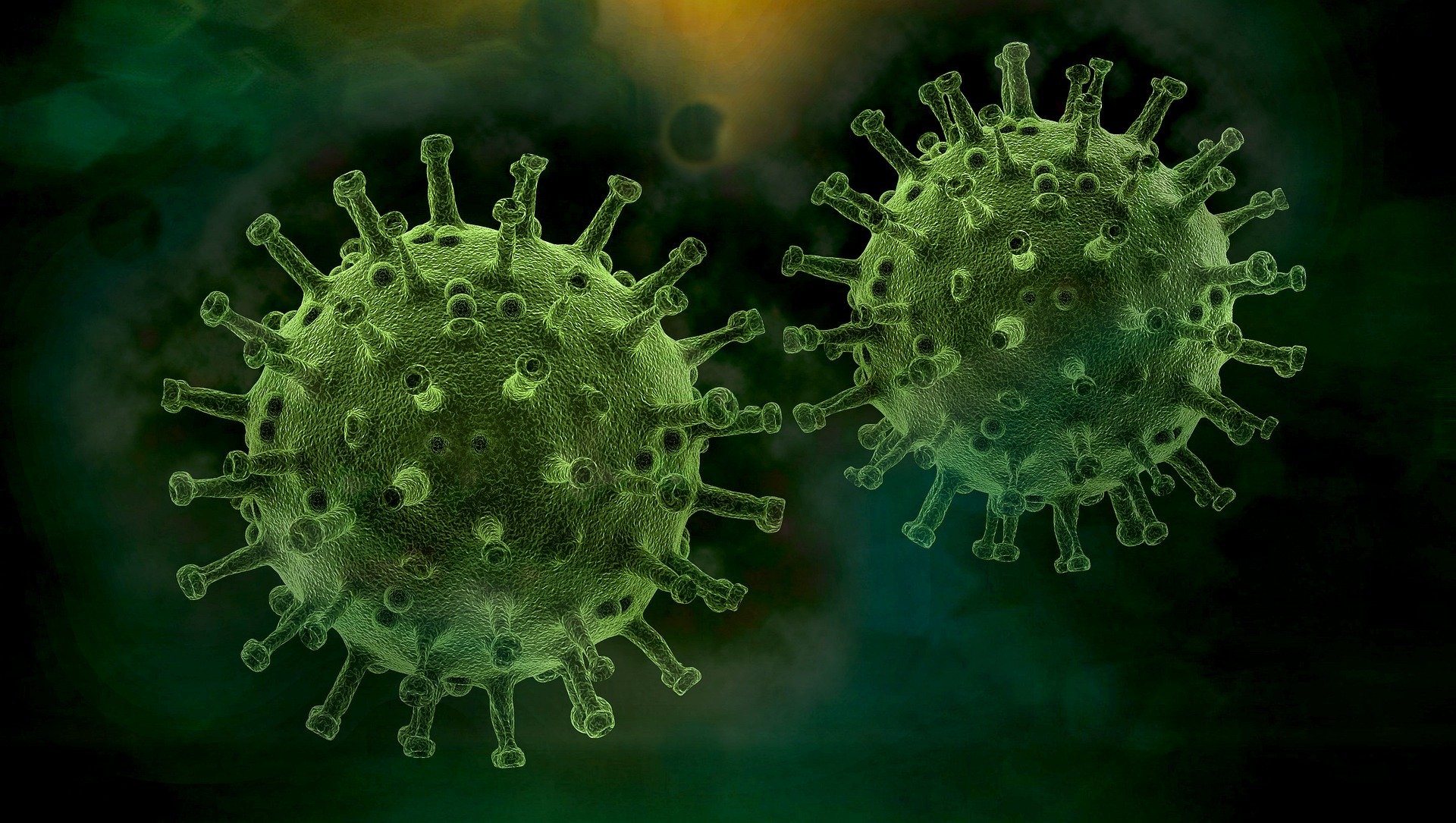
Launched in March 2020 by the Rapid Deployment Vaccine Collaborative (Radvac), this vaccine uses readily available ingredients for the simplest formula possible, based on coronavirus spike proteins to train the immune system.
Estep emphasizes its safety profile and scalability for mass production. However, protein-based vaccines like this are generally less potent than those using inactivated viruses.
