Moderna is poised for a major breakthrough after a decade of development, yet faces scrutiny from observers who question its primary drive for profit over public good.
Founded in 2010 in the United States and led by CEO Stéphane Bancel—a French billionaire who owns 9% of the company—Moderna has yet to commercialize any vaccine. It is now seeking European regulatory approval for its mRNA-based COVID-19 vaccine against SARS-CoV-2, which demonstrates 94.5% efficacy—though results warrant careful interpretation.
While some hail Moderna as a mission-driven biotech innovator benefiting humanity, critics argue its motivations mirror those of typical profit-focused enterprises. Profit-making is inherent to private companies, but questions arise amid the COVID-19 crisis—a profound health and economic challenge—especially as Moderna and peers received substantial public funding.
As reported by Ars Technica on January 7, 2021, Moderna earned the "Shkreli Award," named after Martin Shkreli. In 2015, Shkreli acquired rights to Daraprim, an anti-parasitic drug used in AIDS treatment, and hiked its price by 5,000%—from $13.50 to over $750 per dose. He is currently serving a 7-year sentence for fraud and securities manipulation.
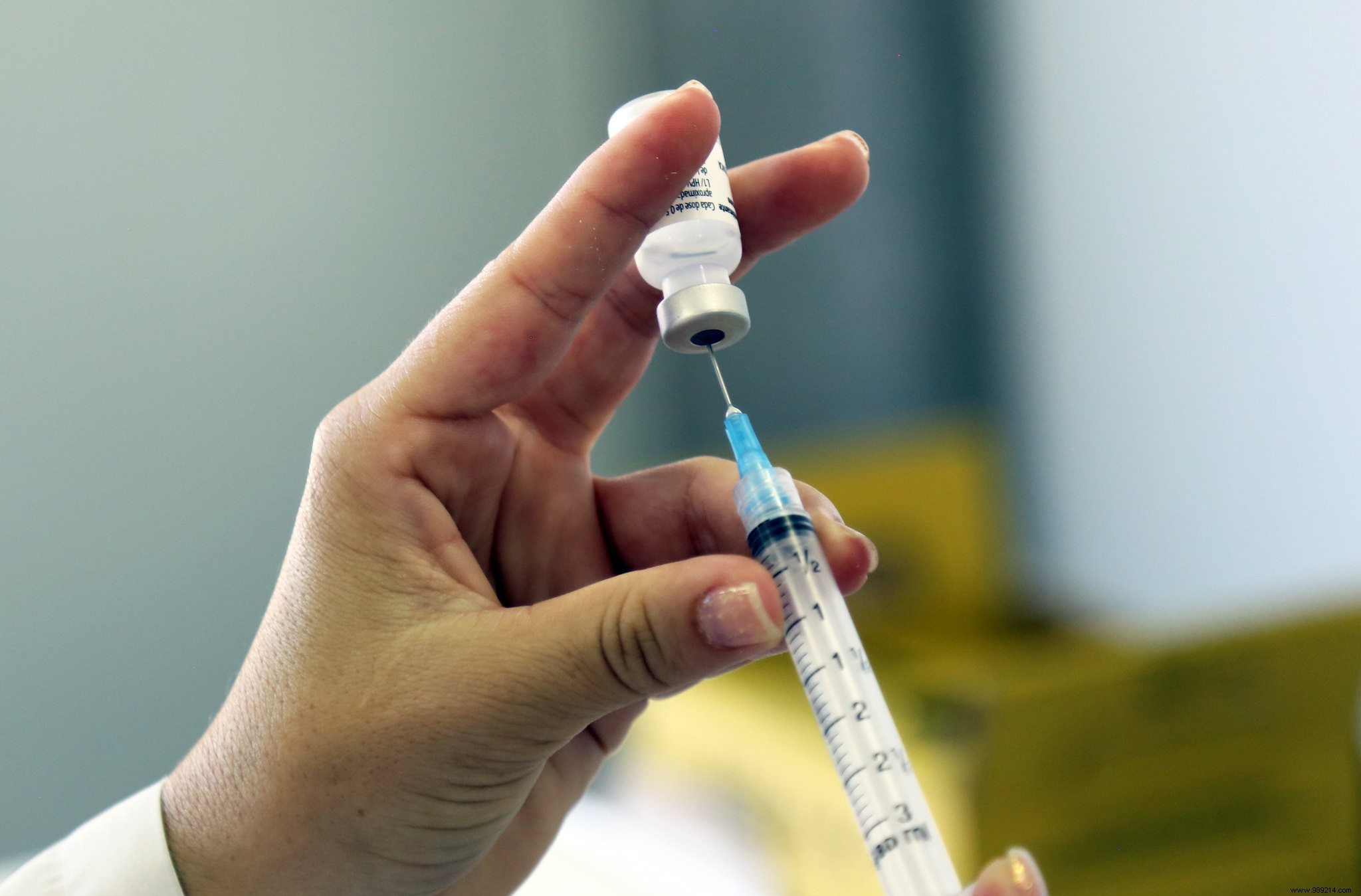
Issued by the U.S.-based Lown Institute, the Shkreli Award highlights the most egregious cases of profiteering and failures in healthcare. Moderna's initial vaccine price—$32 to $37 per dose—was the highest among developers, despite receiving $1 billion in U.S. federal funding.
In November 2020, amid public backlash, Moderna lowered its pricing to approximately $30 for the two doses required per person. Still, the Lown Institute criticizes the company for perceived greed, given its lack of prior vaccine production experience.
Further concerns emerged in a 2016 STAT News investigation into Stéphane Bancel, portraying him as highly ambitious, secretive, and employing aggressive management tactics. Within a year, he dismissed over a dozen executives, sidelined scientists, and abruptly terminated projects.
