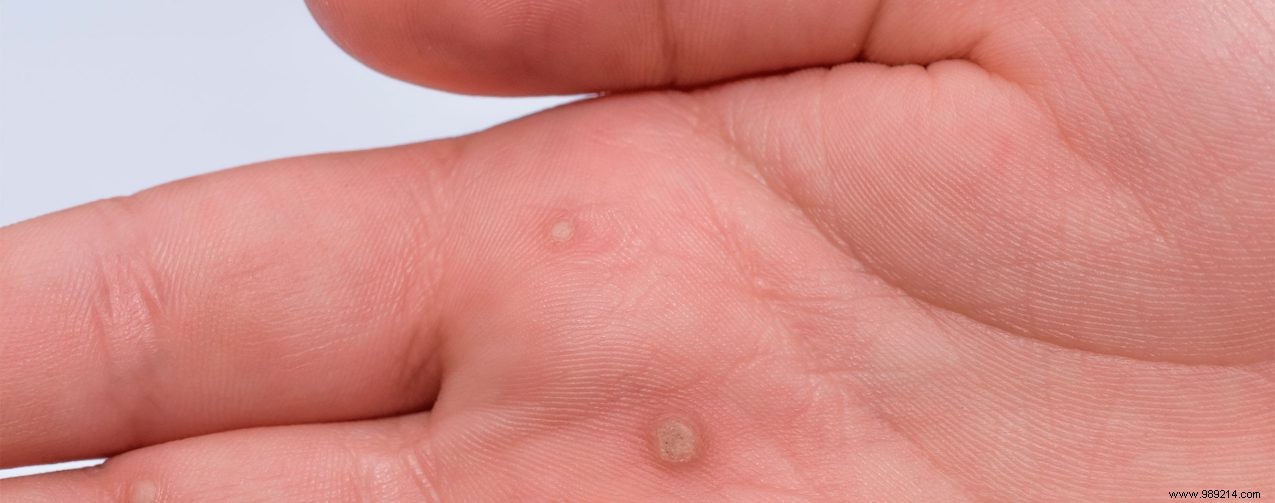
Dealing with warts? While they may not be aesthetically pleasing, most are harmless and resolve spontaneously. Speed up recovery with proven strategies backed by dermatological insights.
Many people encounter warts at some point. Caused by the human papillomavirus (HPV), they spread via skin-to-skin contact. A wart forms when the virus enters the skin. Scratching an irritated wart can release the virus, risking self-reinfection or spread to others. Cover inflamed warts with a bandage for a few days to contain it.
Common Types of Warts
Warts vary by type. Common warts appear as rough, raised lumps, often on hands or feet. Foot warts (plantar warts) can cause pain due to pressure during walking. Molluscum contagiosum, or water warts, are small, smooth with a central pit, common in children and found anywhere on the body. Genital warts, linked to a sexually transmitted HPV strain, appear pink-red or white-grey on genitals. They're contagious but often self-resolve.
Prevention Through Hygiene
HPV thrives in warm, moist environments like pools and gyms. Reduce risk by avoiding shared towels, washing feet daily (without soap), drying thoroughly, wearing clean cotton or wool socks, and using flip-flops in showers or pools and shoes in gyms.
Removing Warts Safely
Recurrence Is Common
Even after successful treatment, warts return in the same spots for about 50% of people. Persistence is key.
Treat warts at home with clinically tested products.
