Chlorpromazine, the pioneering antipsychotic drug, is gaining renewed attention at Paris' Sainte-Anne Hospital. Early tests show promise, paving the way for a clinical trial in COVID-19 patients.
Scientists worldwide are racing to find effective COVID-19 treatments. Notable candidates include chloroquine (an antimalarial), Kaletra (anti-HIV), interferon beta (immune modulator), and even llama antibodies.
As reported by Le Parisien on April 5, 2020, chlorpromazine—the oldest known antipsychotic, introduced in the 1950s—joins this effort. Doctors at Sainte-Anne Hospital aim to trap the virus in a "chemical straitjacket." Initially met with skepticism, this approach is now backed by emerging evidence.
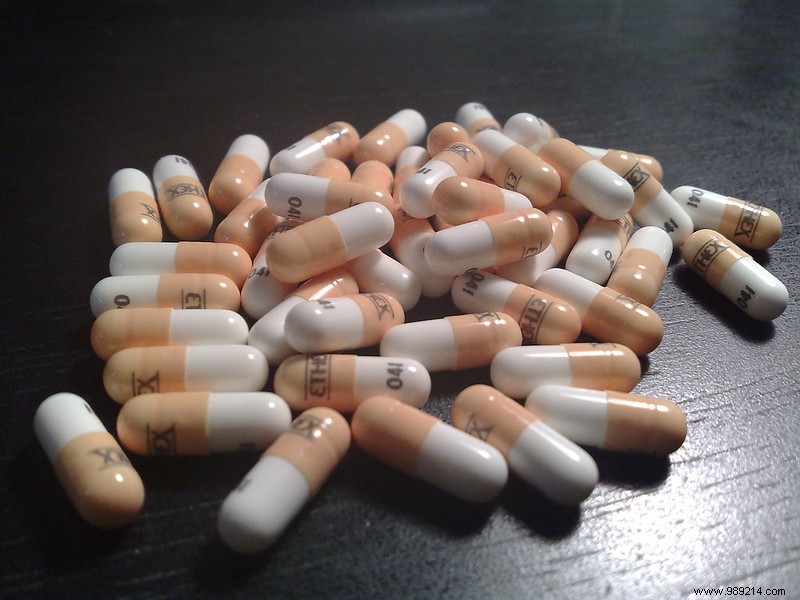
At Sainte-Anne's psychiatric units, just 3% of patients contracted COVID-19, compared to 19% of nursing staff. This disparity revived 1980s research showing chlorpromazine's antiviral properties.
Studies from 2014-2018 confirmed it inhibits viral entry into cells during SARS (2003) and MERS (2012) outbreaks. U.S. research further demonstrated that psychotropics like chlorpromazine block coronaviruses in vitro.
Building on these findings, Sainte-Anne Hospital launched the reCoVery study with Institut Pasteur collaboration. Initial cell-based tests (human and animal) showed effectiveness against SARS-CoV-2.
Next, a pilot trial will enroll 40 patients with severe but non-ICU COVID-19. Results are expected in about a month; success could lead to larger trials.
