Imagine cats that no longer trigger allergies. Indoor Biotechnologies, a U.S. firm, is testing CRISPR-Cas9 gene editing to make this a reality. While results are encouraging, ethical and biological hurdles persist.
Cat allergies can strike at any age, frustrating many pet lovers. Contrary to myth, it's not the fur but allergens produced by cats that cause reactions. The primary culprit, glycoprotein Fel d1, comes from their salivary and sebaceous glands.
Other allergens exist (e.g., Fel d2), but eliminating Fel d1 could render most cats hypoallergenic. Indoor Biotechnologies aims to do just that, as detailed in their February 1, 2020, publication in The Journal of Allergy and Clinical Immunology.
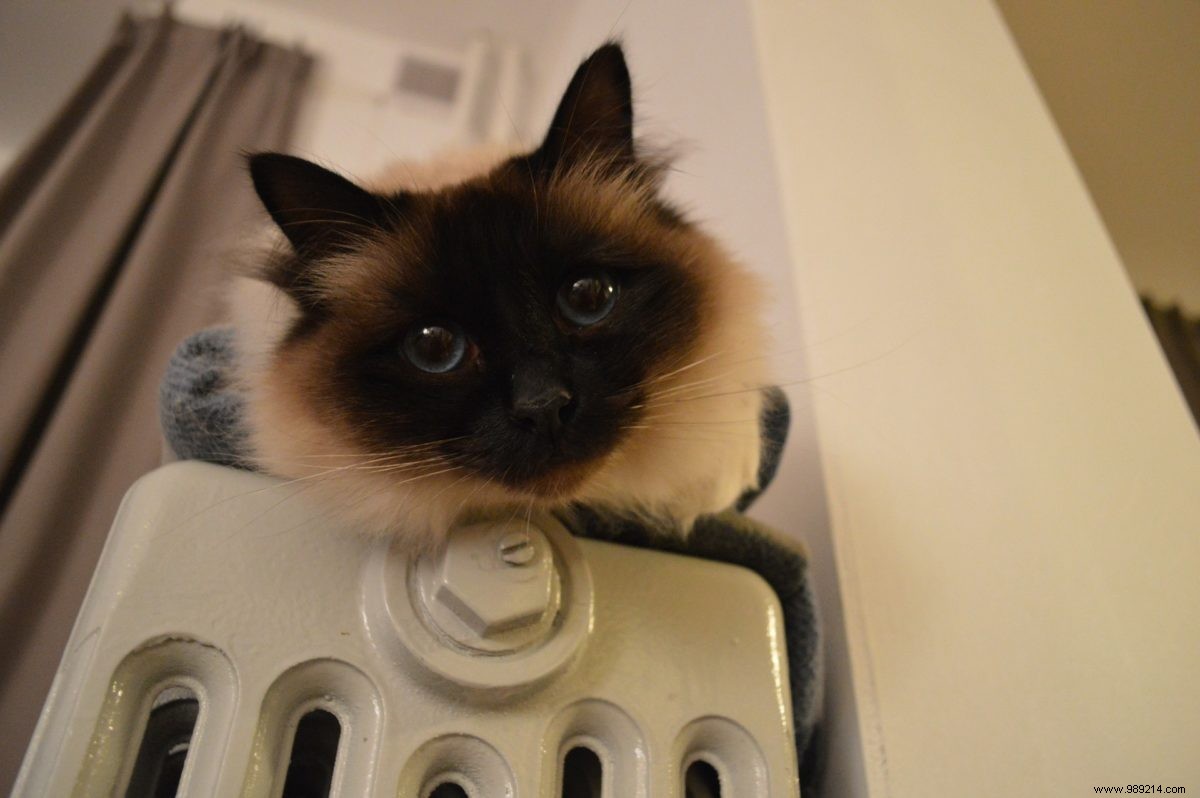
The team employs CRISPR-Cas9 for precise gene editing, but no live cats are involved yet. Instead, they're working with cells from around 50 cats to disable Fel d1 production.
Lead researcher Nicole Brackett extracted DNA, sequenced the Fel d1 genome, and identified common sequences across samples. These enable CRISPR-Cas9 to "cut" the gene effectively.
Early findings are promising, marking progress toward a transdermal patch drug that would suppress Fel d1 in cats.
Challenges remain: Fel d1 might serve vital functions in cats, requiring further study. Live-cat trials will also be essential, likely drawing scrutiny from animal welfare groups.
CRISPR-Cas9's debut sparked debate, despite its potential. In April 2019, it entered human trials for cancer patients—one with myeloma, one with sarcoma—to engineer immune cells against tumors.
