Could specially trained dogs help combat COVID-19 by detecting it through scent? Promising research says yes—with caveats.
Dogs have long demonstrated remarkable olfactory skills. Trained canines can identify cancers, epileptic seizures, malaria, and even citrus greening disease devastating crops worldwide. Now, scientists are testing if they can sniff out COVID-19 too.
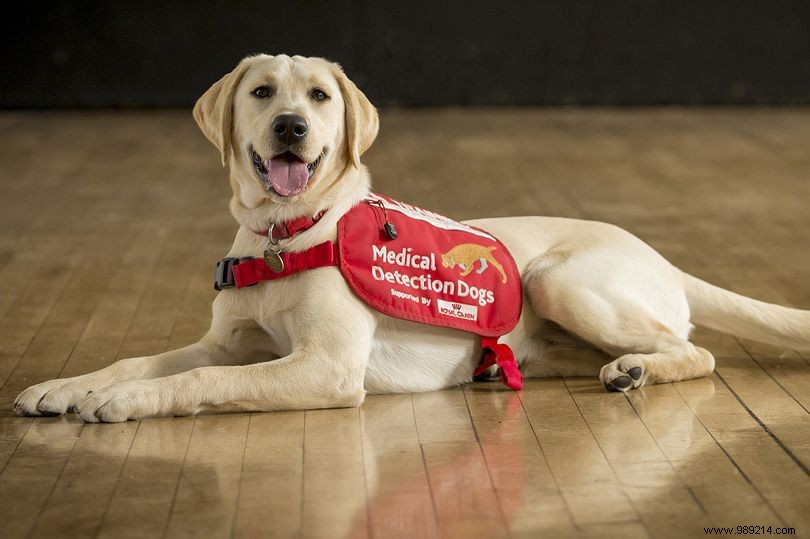
Researchers from the London School of Hygiene & Tropical Medicine (LSHTM), Durham University, and Medical Detection Dogs are leading this effort. In a late March press release, they detailed how several dogs are sniffing face masks worn by COVID-19 patients to detect a unique disease odor.
Results are pending after weeks of trials, but success could transform screening. As Claire Guest, CEO of Medical Detection Dogs, notes, elite sniffer dogs can screen up to 750 people per hour.
Post-pandemic, they envision dogs at airports for rapid, non-invasive checks. “These tests would be fast, effective, non-invasive, ensuring limited resources target confirmed cases,” Guest explains.
Not all agree. Simon Gadbois, director of Dalhousie University's Canid Behavior, Olfaction & Zoonosis Lab, has studied canine disease detection for years.
He highlights costs as a barrier: scaling requires many individually trained dogs. While temperature checks aren't perfect, they're far more economical than deploying sniffer dogs.
Gadbois insists RNA-based tests would still be needed to confirm dog alerts. Doubts persist on real-world performance outside labs—see Québec Science's in-depth report for more.
Source
