Stanford University researchers have uncovered a fish that can halt its aging process through a unique protein vital for gene regulation in its organs. This discovery holds promise for extending human lifespan.
The African turquoise killifish (Nothobranchius furzeri), native to lakes in Zimbabwe and Mozambique, possesses an extraordinary trait detailed in a February 21, 2020, Science journal study by Stanford experts. This species can suspend its aging via diapause, entering a state of biostasis—similar to hibernation—that pauses development. This adaptation helps it survive prolonged droughts in its habitat, with suspension periods exceeding its typical four-to-ten-month lifespan.
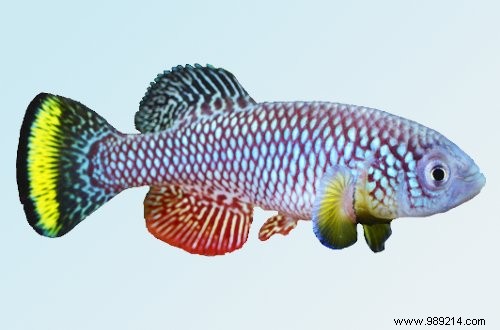
The killifish achieves diapause by ramping up production of the CBX7 protein, which regulates organ genes and preserves muscle integrity. Study leaders suggest this protein could induce a similar biostasis in humans, though extensive further research is essential.
Alternative biostasis methods exist, such as cooling the human body below 20°C, recently tested to slow metabolism during surgeries and extend operative time.
Recently, ethology expert Audrey Dussutour (CNRS) discussed biological immortality at TimeWorld 2019 (November 21-23, 2019, Paris Cité des Sciences et de l'Industrie).
Source
Related Articles:
