One of the most telling signs of age is our skin, particularly wrinkles. As we progress through life's stages—from childhood and puberty to menopause—our skin changes alongside us, influenced by environment, lifestyle, and care (or lack thereof). It reveals far more about us than we might realize.
Wrinkles are a primary marker of skin aging and a natural part of human evolution. While genetics bless some with smoother skin, others bear more visible signs of time. External factors like summer tans, acne, allergies, and pollution play a role in skin aging, but they don't fully explain wrinkle formation.
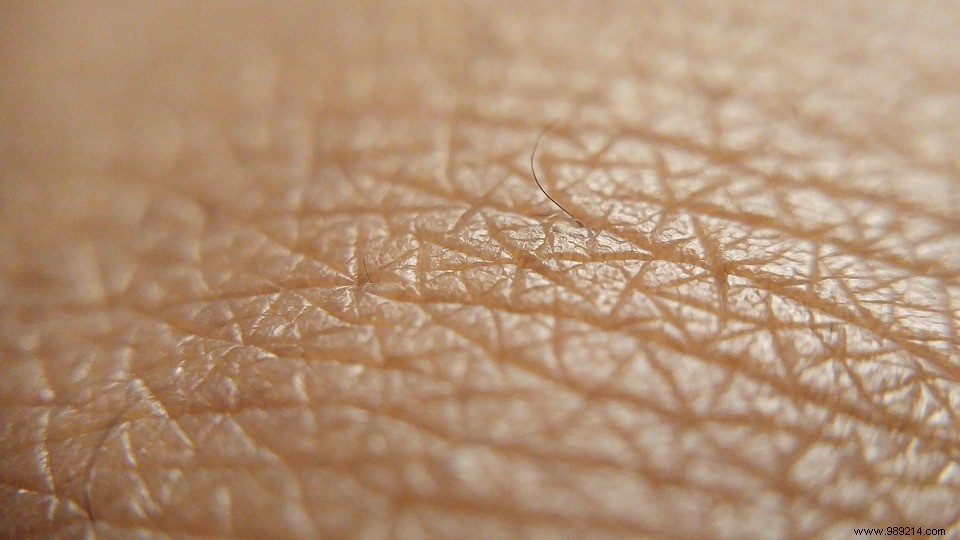
In truth, wrinkles largely stem from our cellular makeup and repetitive facial movements. The earliest lines emerge from expressions like smiling, frowning, and squinting. As we age, skin dries out and collagen production declines, reducing elasticity.
Navigating the vast array of anti-wrinkle creams can be overwhelming, especially with marketing hype around exotic ingredients. Focus on proven essentials in formulations.
Key ingredients include vitamin C, a powerful antioxidant that promotes a healthy glow and reduces dark spots.
Hyaluronic acid, as found in Dr. Pierre Ricaud creams, is another standout. Naturally occurring in the body, it holds over 1,000 times its weight in water, delivering superior hydration to delay wrinkles. Production naturally wanes with age, making topical use vital in anti-aging products.
Collagen rounds out the list, boosting skin radiance, providing a smoothing effect to fill lines, and aiding healing.
Beyond creams, everyday actions—validated by decades of scientific research—support skin health. Aging is inevitable, but smart choices can optimize the process.
Diet matters: limit sugar, tobacco, and alcohol while prioritizing antioxidant-rich foods and ample daily water intake.
Protect skin by minimizing sun exposure and using at least SPF 30 sunscreen. Manage stress, which accelerates wrinkles and degrades texture, and prioritize sleep for overall skin repair.
