Experts from 37 countries sequenced over 2,600 genomes across 38 tumor types in the largest genetic cancer study to date—a true milestone in oncology.
Over a decade, more than 1,000 researchers worldwide conducted this monumental effort through the Pan-Cancer Project. By sequencing more than 2,600 tumors from 38 cancer types, they've generated invaluable data poised to drive more precise, effective treatments. Crucially, it could enable earlier detection, boosting survival rates significantly.
Published Wednesday across ~20 articles in leading medical journals, these findings redefine cancer genomics.
Key discoveries include vast differences in mutation loads: from few in pediatric cancers to tens of thousands in some lung cancers—highlighting why cancers behave so variably.
The team identified over 80 mutational processes, linked to aging, inheritance, or lifestyle factors like smoking and alcohol.
Strikingly, some cancers share similar driver mutations. "We see breast and prostate cancers with overlapping drivers," notes Joachim Weischenfeldt, PhD, University of Copenhagen. "This opens doors for cross-cancer therapies—prostate patients could benefit from breast cancer drugs."
Yet, tumors of the same type can differ genetically between patients, underscoring tumor heterogeneity.
Critically, cancer's genetic signatures may emerge years before diagnosis, even in childhood. "The early intervention window is wider than we realized," says Peter Campbell, PhD, Wellcome Sanger Institute.
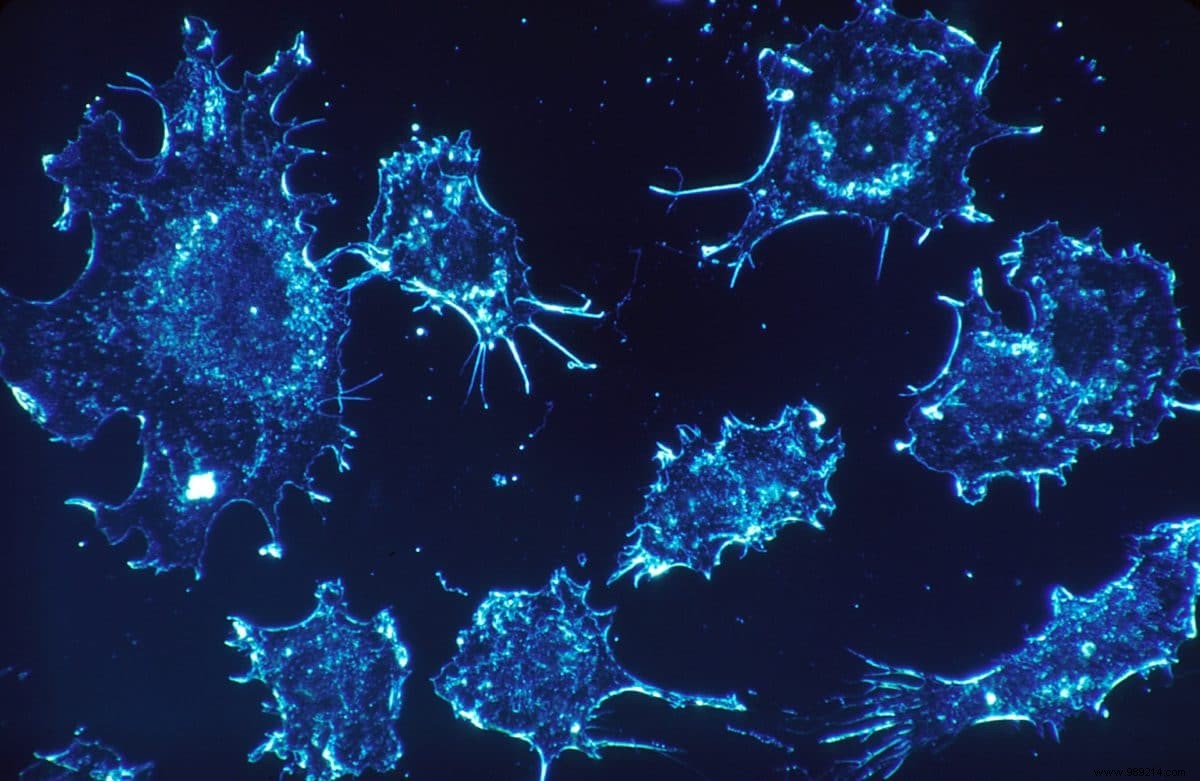
Deeper genetic insights promise better strategies against cancer.
"Past research targeted just 1% of the genome—the protein-coding parts," explains Lincoln Stein, PhD, Ontario Institute for Cancer Research. "It's like assembling a 100,000-piece puzzle blind. Now, with the full picture, we can build tools for earlier detection and targeted therapies."
Source
Related articles:
