Sniffer dogs are celebrated for detecting cancer cells, but their training is time-intensive. New research reveals ants can achieve similar proficiency in just 30 minutes. Findings are published in iScience.
Cancer cells exhibit distinct traits, such as altered energy metabolism and responsiveness to growth signals or inflammatory factors. These processes release volatile organic compounds (VOCs), serving as reliable biomarkers for cancer diagnosis via methods like gas chromatography or artificial sensors.
Yet, current analytical systems often yield inconsistent results and remain in development. In contrast, evolution has refined the olfactory capabilities of various species to discern complex odor profiles over millions of years.
Dogs excel here, but training them through associative learning demands months and hundreds of trials before they are reliable.
Researchers explored ants, whose olfactory detection skills rival those of dogs, in a recent study.
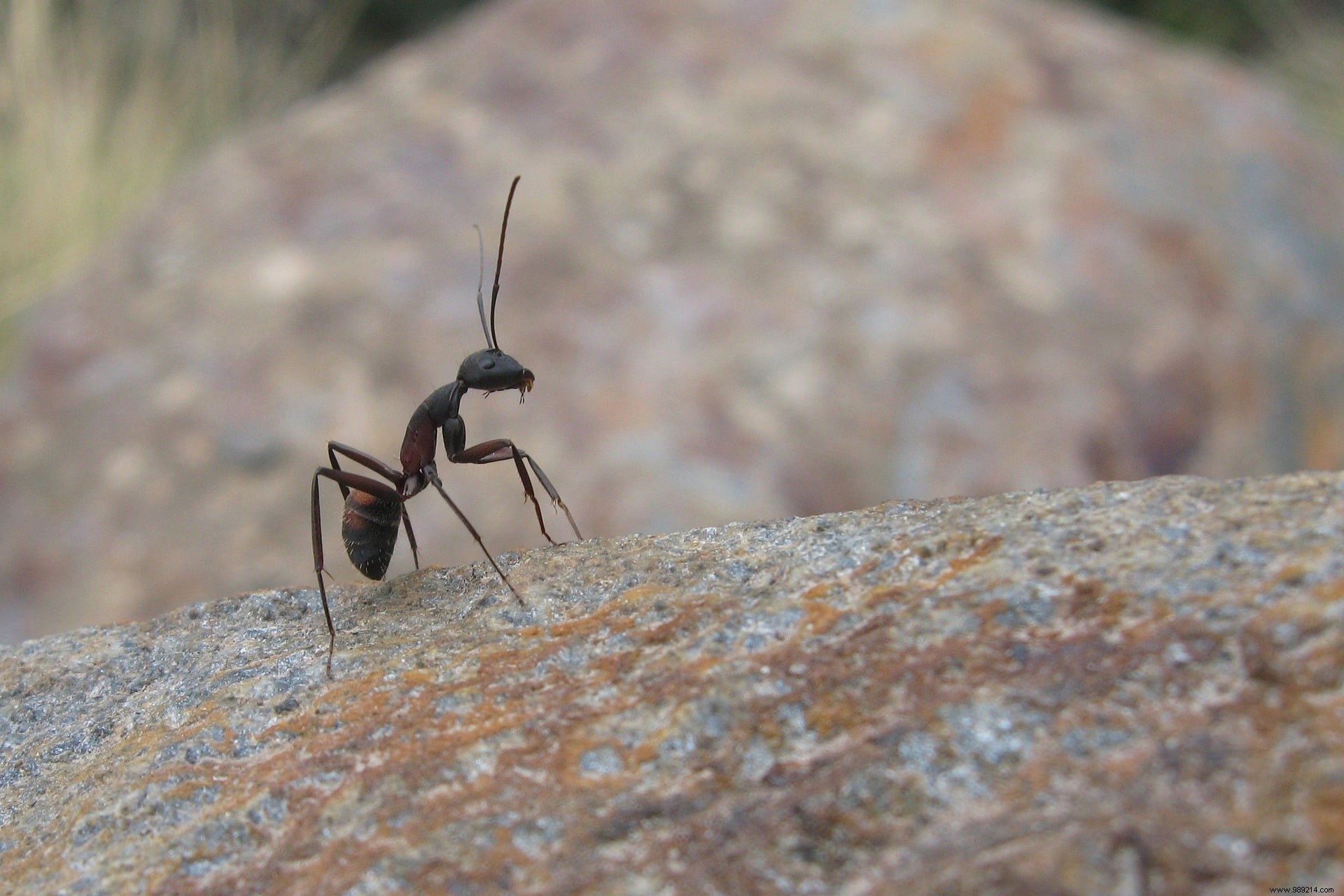
Using the European ant species Formica fusca, scientists trained ants to identify breast cancer cells mixed with healthy ones in petri dishes. Initially, sugar rewards were paired with cancer cells. Ants swiftly learned, homing in on the VOCs as cues to the treat.
Repeating the experiment without rewards, the ants still accurately distinguished cancerous from healthy cells, retaining the odor association from prior training.
Next, ants were trained on two breast cancer cell types, rewarding only one. They rapidly targeted the rewarded type, demonstrating the ability to discern between cancer variants based on unique VOC patterns.
In essence, ants can detect cells, differentiate cancerous from healthy VOCs, and distinguish cancer subtypes after minimal training.
While early-stage, these results suggest ants could serve as efficient, low-effort bio-detectors. The authors note this approach may prove "feasible, rapid, and less laborious" than alternatives, pending clinical validation.
