Leading Brazilian researchers at Fiocruz are breeding Aedes aegypti mosquitoes infected with the Wolbachia bacterium, which inhibits dengue and chikungunya viruses. This approach enables natural transmission to offspring, significantly lowering disease risks for humans.
The Aedes aegypti mosquito remains the primary vector for dengue fever and chikungunya. Experts at Brazil's Fiocruz Institute have turned to the Wolbachia bacterium, renowned for blocking these pathogens. Their method involves infecting mosquitoes with Wolbachia, allowing it to pass to future generations through natural reproduction.
As reported by the Associated Press on November 22, 2019, this initiative began in 2015 under the World Mosquito Program. Program director Cameron Simmons noted that Wolbachia-carrying mosquitoes are released regularly in Niterói, near Rio de Janeiro. Dengue fever impacts hundreds of millions in Brazil annually, with fatal outcomes in severe cases.
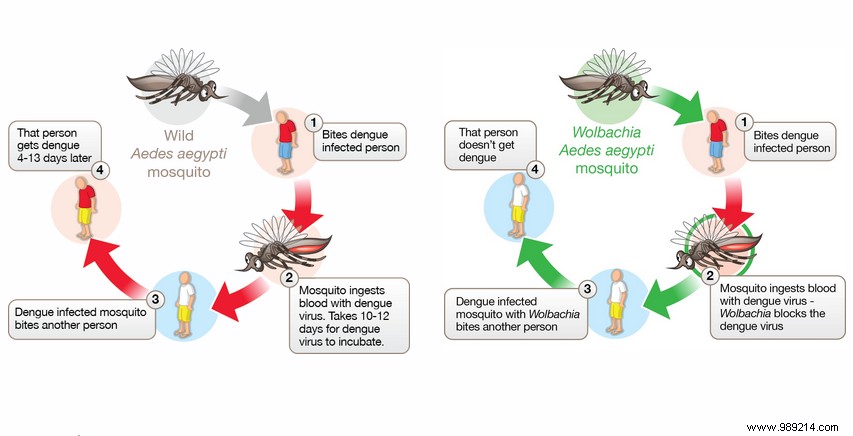
Studies show substantial declines in dengue and chikungunya cases in treated areas. Dengue incidents have dropped by at least 70%, with 90% of local mosquitoes now harboring Wolbachia. While effective, this strategy requires community efforts to eliminate breeding sites, such as stagnant water.
The "Wolbachia method", developed in Australia a decade ago, has gained traction globally, including recent successes there. Sustained releases are essential for long-term efficacy. However, Cameron Simmons reported a suspension of Niterói releases due to funding shortages.
Source
Related Articles:
