
Urinary tract infections (UTIs) can affect both men and women, though women are more commonly impacted, especially those over 50. Drawing from extensive clinical insights, early consultation with a healthcare professional is crucial for effective management and to explore approved therapies.
UTIs can be acute or chronic, affecting parts of the urinary system such as the prostate, urethra, kidneys, or bladder. Men benefit from greater anatomical distance between the urethral opening and anus, offering natural protection. When men develop a UTI, it often signals an underlying urinary tract issue.
Women face higher risk due to the proximity of the anus to the urethra, facilitating bacterial entry. Common UTI types include: infectious urethritis (often sexually transmitted, affecting the urethra); cystitis (bladder inflammation, prevalent in women); and pyelonephritis (the most severe, involving kidneys, typically from untreated cystitis).
UTI symptoms are similar in men and women, including painful burning during urination, frequent urges to urinate with little output, foul-smelling, cloudy, or bloody urine, and lower abdominal discomfort. Pyelonephritis adds fever, chills, vomiting, genital pain, or lower back pain.
Preventive steps include staying well-hydrated, wiping front to back after using the toilet, and urinating after sexual intercourse to flush out bacteria.
Standard treatment involves antibiotics prescribed by a doctor, often with pain relievers for abdominal discomfort. For prevention, cranberries show proven benefits, while increased fluid intake promotes bacterial elimination. Herbal options like horsetail, nettle, or goldenrod infusions may help, but always consult your physician first.
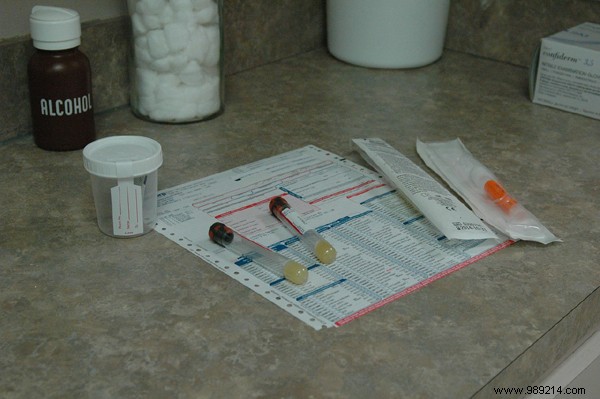
Diagnosis typically starts with a cytobacteriological urine examination (ECBU) to identify the specific bacteria, ensuring targeted, effective therapy.
