Bed bugs, largely eradicated in the 1950s, resurged in France during the 1990s and remain a widespread issue today. Unlike pests drawn to sugar or filth, these nocturnal invaders feed solely on human blood. As experienced pest control professionals, we've successfully tackled infestations using proven extermination methods.
Bed bugs belong to the Cimicidae family, with the most common species being Cimex lectularius and Cimex hemipterus. After nearly vanishing post-1950s, this resilient pest reemerged around 30 years ago and established itself firmly in the early 21st century. Their hallmark is piercing skin to suck blood for 10 to 20 minutes. While not deadly, bites cause significant discomfort: intense itching, dermatitis, sleep disruption, painful lesions, blisters, and potential allergies.
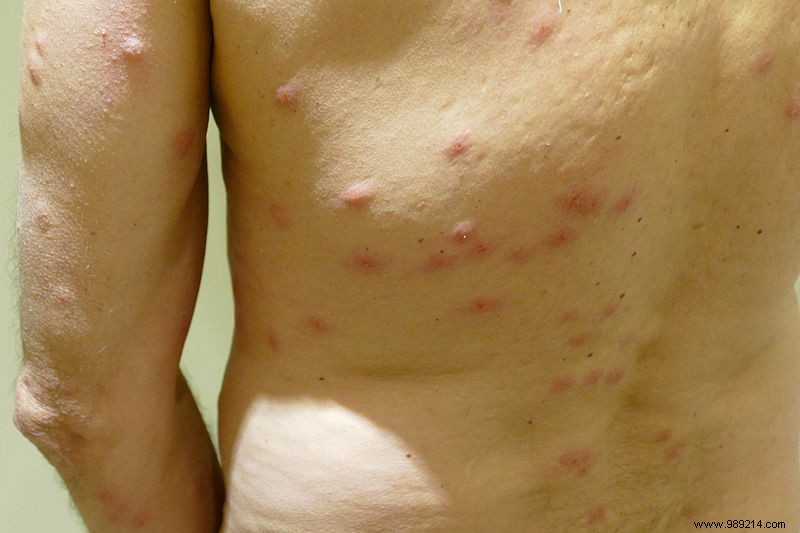
Attacks peak at night. Measuring 4 to 7 mm, bed bugs favor mattresses, bedding, closets, luggage, walls, and vents. They also lurk in dark crevices like wooden bed frames, floor cracks, and peeling wallpaper.
The spread of these insects is fueled by increased travel, apartment swaps, ridesharing, and second-hand furniture purchases. Though unable to fly or jump, they travel easily. Their lifespan ranges from 9 to 18 months, depending on conditions.
A top concern for hotels and homeowners alike, bed bugs demand targeted action. Today's bed bug treatment options include chemical, thermal (heat guns or dry steam), and cryogenization (cold) approaches. Chemical treatments use health authority-approved insecticides with persistence beyond 10 days, killing emerging bugs. However, bed bugs show remarkable resistance to many common insecticides.
Non-chemical alternatives like heat treatments with guns or dry steam prove equally or more effective, avoiding residues. Cryogenization employs dry ice—solid CO2—for eco-friendly results. Freezing is ideal for laundry.
Prevention is challenging but possible: steer clear of aging buildings, vintage furniture, old wooden bed frames, and infrequent sheet changes. Limit contact with infested individuals.
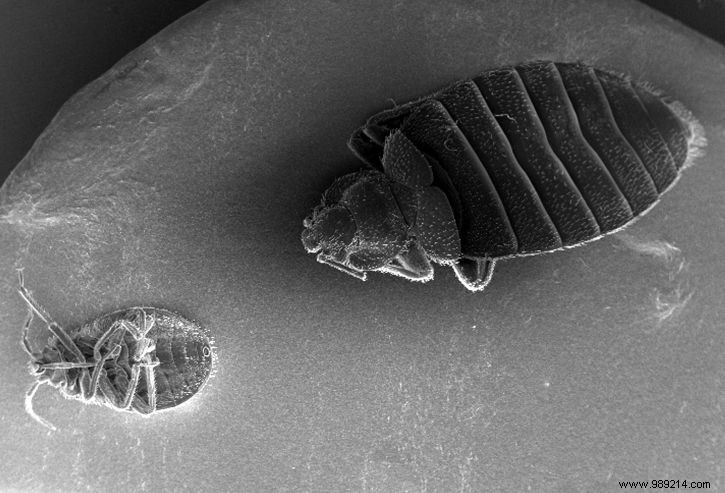
Bed bugs hide expertly, making detection crucial for effective treatment. Trained sniffer dogs offer precise identification. Proven in airports for drugs, and recently for cancers and SARS-CoV-2, these dogs excel due to senses 10,000 to 100,000 times sharper than humans. They detect trace odors, tracking bed bugs hours after passage.
Research deepens our understanding. In 2016, the American Museum of Natural History partnered with Weill Cornell Medicine, involving ~100 experts to build a genetic database for studying bed bug biology, insecticide resistance, and colonizing bacteria—paving the way for antibiotics-enhanced insecticides.
In 2019, University of Sheffield researchers dated bed bugs to at least 100 million years ago via DNA from 34 global species—predating dinosaurs!
