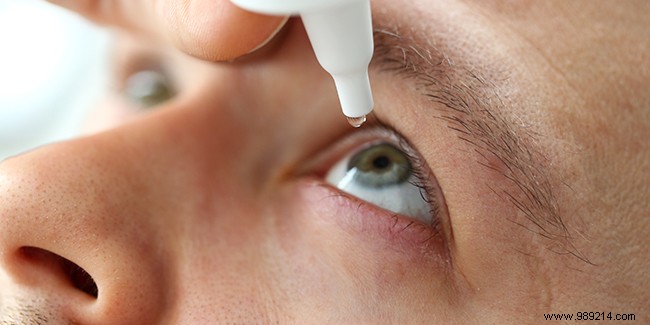
If your eyes frequently water without reason, appear red, or feel burning, you may be among the 25% of older adults affected by dry eye syndrome. Proper eye function relies on a healthy tear film for moisture. When tears don't spread evenly, symptoms like itching, swollen eyelids, fatigue, and blurred vision can follow. Here's how to prevent and manage dry eye symptoms effectively.
Various factors contribute to dry eyes, a common issue especially in winter. Minimize exposure to these where possible for better eye health.
Tear production decreases with age—up to 60% less than in younger people. Seniors often have wider tear ducts, disrupting normal tear flow and leading to dryness.
Women experience dry eyes twice as often as men, often due to hormonal shifts during pregnancy or menopause.
Certain drugs, including contraceptive pills, antidepressants, analgesics, antihistamines, diuretics, and sleeping pills, can reduce tear production.
Prolonged screen time reduces blinking, which normally keeps eyes moist, leading to irritation and dryness.
Air pollution, dust, smoke, air conditioning, and wind all heighten dry eye risk.
Lenses can hinder tear film distribution across the eye surface.
Address risk factors and adopt these habits to safeguard your eyes.
Avoid direct air exposure to your eyes, particularly in windy conditions.
Maintain indoor humidity between 30-50% with a humidifier and moderate heating. Stay well-hydrated to support tear production.
Take 30-minute screen breaks to blink and close your eyes fully.
Wear sunglasses outdoors and protective goggles at pools.
If using contacts, switch to glasses weekly or use lubricating drops.
Effective treatments range from simple remedies to advanced options.
Eye drops, gels, or ointments provide quick hydration, easing burning and itching.
Rehabilitation to restore natural blinking can help maintain moisture.
Azithromycin eye drops, used 2-3 times monthly, can improve symptoms.
These large, fluid-filled lenses keep the cornea constantly moist.
In severe cases, plugs or surgery block tear ducts to retain moisture on the eye.
