
Has sudden, intense back pain ever left you immobilized for days? This could be lumbago, a common back strain that demands prompt attention.
Lumbago, also known as a muscle contracture, strikes with sharp lower back pain that restricts all movement. The discomfort can radiate to the buttocks and legs, often forcing time off work. Typically, symptoms ease within days and resolve in one to two weeks, but recurrences are common. Left unchecked, it may progress to a herniated disc or sciatica, potentially becoming a chronic issue.
Causes vary widely: genetics play a role, while stress and excess weight heighten risk. Common triggers include twisting motions, tripping while carrying heavy loads, or repetitive actions like gardening, DIY projects, housework, or moving furniture. These efforts can suddenly lock up the muscles.
Effective management and prevention include physiotherapy and a doctor-prescribed lumbar belt. Physiotherapy eases pain via massages, heat therapy, ultrasound, laser treatments, and guided exercises, while strengthening routines help prevent future episodes. A lumbar belt provides support during strenuous tasks like gardening, DIY, or vacuuming.
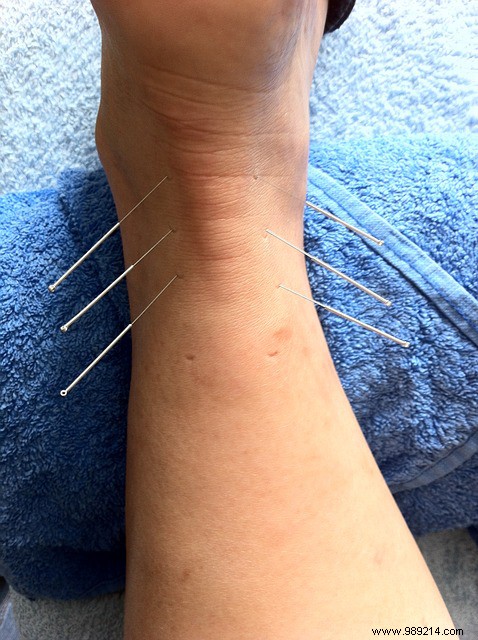
Complementary options such as acupuncture, essential oils, and homeopathy offer additional relief. Consulting an osteopath or micro-kinesitherapist for targeted manipulations can address root causes effectively.
Your doctor may also recommend medications like paracetamol, ibuprofen, aspirin, or other analgesics and anti-inflammatories. Always seek professional medical advice to treat the underlying issue and avoid prolonged pain.
Lumbago usually resolves in a few weeks, but addressing the cause is key to minimizing recurrence risks.
