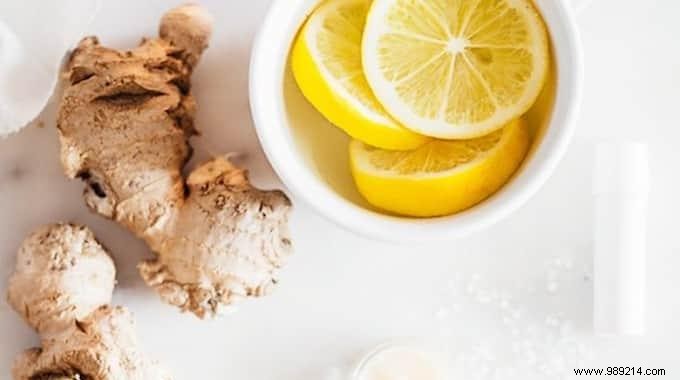
Influenza season is here, sparking questions about vaccines and circulating strains. Scientifically, the flu virus targets the respiratory system via strains A, B, or C of Myxovirus influenzae. It invades cells, multiplies, and triggers your immune response—a microscopic battle.
 Contents
 No direct antiviral treatments exist for flu, but evidence-based home remedies can alleviate symptoms and support your body's defenses. Note: Flu differs from gastroenteritis ("stomach flu").

This foundational step combats fever-induced dehydration from sweating. Hydration maintains organ function, eases discomfort, and keeps mucous membranes moist to clear secretions effectively.
What you'll need: Fresh water, chicken broth, herbal tea.
How to use: Opt for clear liquids like water, tea, or broth. They're easy to digest, providing hydration and nutrients without taxing your system during low appetite.
Explore more: 11 Great Benefits Of Water For Your Body That You Didn't Know About!
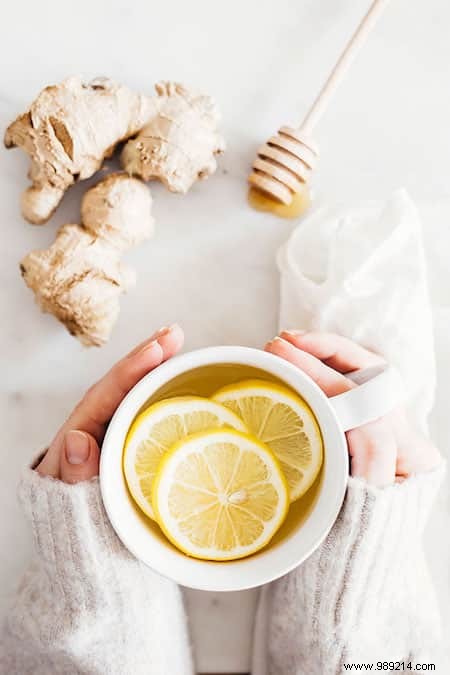
Ginger, a potent anti-inflammatory, eases congestion, nausea, and aches. Studies highlight gingerol's role in boosting circulation and reducing inflammation from prostaglandins and leukotrienes.
Simmer fresh ginger to extract benefits fully; add honey and lemon for taste and extra relief.
For 4 cups: 5 cm fresh ginger, fresh lemon, honey, 1 liter water.
How to make: Slice ginger, simmer covered in water for 25-45 minutes (or overnight for strength). Strain, add lemon and honey, and sip.
Explore more: The 10 Benefits Of Ginger You Absolutely Need To Know.
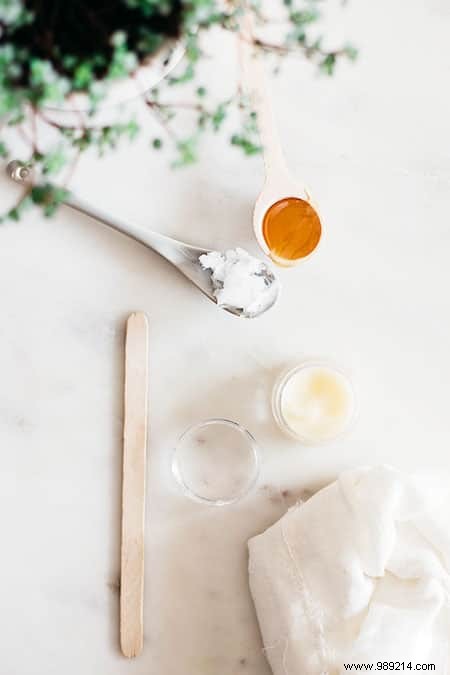
For intense aches, this balm with wintergreen essential oil—containing 85% methyl salicylate, aspirin's key compound—provides targeted relief. Use sparingly; not for children, and consult a doctor if unsure, as potency varies.
Natural remedies have sustained health for centuries when used wisely.
What you'll need: 2 tbsp beeswax, 4 tbsp coconut oil, 10 drops wintergreen essential oil.
How to make: Melt oil and wax in a double boiler, stir in wintergreen off heat. Pour into jar; store cool/dark up to 1 year. Massage sparingly on sore areas.

In our fast-paced world, rest is often overlooked. Fatigue signals the need to pause—your immune system needs energy to fight. Prioritize recovery over activity for quicker healing.
What you'll need: Comfortable pajamas, cozy spot for reading or streaming.
How to: Embrace rest without guilt; it's the smartest path to swift recovery.

Steam and heat decongest sinuses, soothe chills, and aches. Emerging refreshed promotes relaxation and healing—pair with cozy downtime for best results.
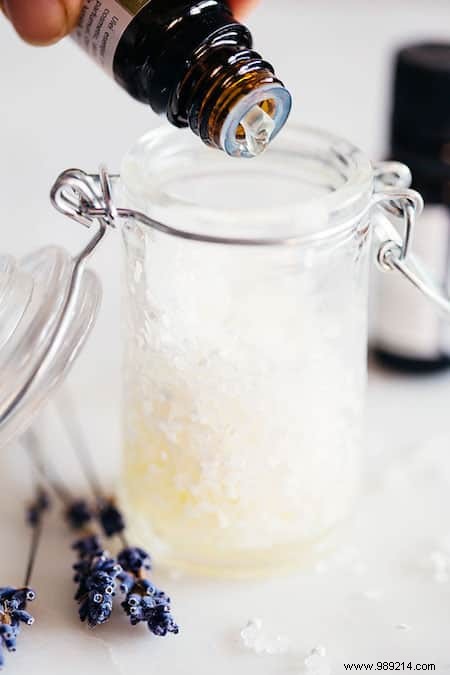
Tea tree, eucalyptus, and lavender oils, plus magnesium sulfate, combat germs, clear airways, ease soreness, and promote calm. Adjust ratios to preference.
What you'll need: 6 drops tea tree oil, 3 drops eucalyptus, 2 drops lavender, 250g magnesium sulfate, 2 tbsp carrier oil (e.g., olive), airtight jar.
How to make: Mix oils with carrier; blend into sulfate. Add 2-3 tbsp to hot bath; shake before use. Soak and breathe deeply.
Explore more: 19 Secret Uses of Magnesium Sulfate.

Both affect respiration but differ in onset, severity, and duration. Consult a doctor for diagnosis.
Onset: Colds gradual (sore throat to congestion); flu sudden.
Mucus: Cold: thickens/darkens; flu: clear/liquid with dry cough.
Severity: Flu symptoms intense, fever in 80% (over 38°C); colds milder.
Duration: Cold: ~10 days; flu: up to 2 weeks.
