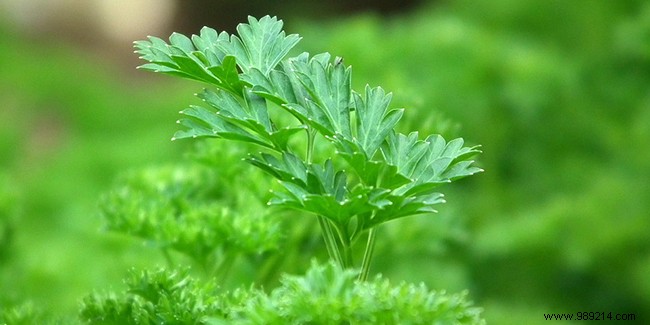
Parsley, from the Apiaceae family, has been valued by humans for over 5,000 years. Ancient Greeks used it to crown victors at the Corinthian Games and in funeral rites. Romans chewed it after feasts to mask alcohol-tainted breath. Through the Middle Ages, flat-leaf and curly varieties were revered for their medicinal properties. By the 15th century, it became a staple aromatic herb in cooking. Today, parsley is celebrated anew for its impressive medicinal and culinary virtues.
As a common dietary herb, parsley supplies antioxidants, though in modest amounts that alone can't meet daily needs. Animal studies on extracts show promise, but human data is limited, so benefits depend on intake. Still, experts recognize several evidence-backed health advantages.
Antioxidants neutralize free radicals, helping prevent cardiovascular disease, age-related issues, and certain cancers. Parsley delivers them through:
This flavonoid in parsley demonstrates anticarcinogenic and antimutagenic effects in animal and in vitro studies. Human absorption varies, indicating potential free radical protection for some.
These potent antioxidants are plentiful in parsley, placing it third in carotenoid content among 18 fruits and vegetables—behind only carrots and watercress.
Romans relied on parsley to combat bad breath, a tradition validated today. It binds sulfur compounds from garlic and similar foods in the mouth and gut. Chew three leaves after meals for effective relief.
Parsley decoction excels as a diuretic, aiding water retention and excess uric acid. Prepare by boiling a teaspoon of parsley roots in a cup of cold water for five minutes, then steep 10 minutes. Strain and drink 2-4 cups daily for three weeks, followed by a one-week break.
Parsley eases digestion problems via infusion: steep a large spoonful of dried leaves in a cup of boiling water for five minutes. Drink 2-4 cups daily for three weeks, with a one-week break before repeating.
Fresh parsley juice bolsters immunity and counters early anemia. Blend a bunch of parsley with a celery stalk, half cucumber, juice of half a lemon, and two handfuls of baby spinach. Consume daily in winter.
For glowing skin, boil a bunch of fresh parsley in cold water for 3-4 minutes, cool, and strain. Apply the chilled lotion to your face with a cotton pad. Store in the fridge for a few days.
Rich in vitamin K, parsley supports blood clotting—caution advised with anticoagulants. Pregnant women should avoid therapeutic doses. Always consult your doctor before using parsley alongside treatments or starting a regimen.
