Health experts universally recommend dietary changes as the first line of defense against high cholesterol. This fatty substance in our blood—about one-third from food—can be managed effectively with the right choices. Foods low in saturated fats and high in fiber help reduce bad cholesterol (LDL), preventing plaque buildup in arteries that leads to cardiovascular disease, while boosting good cholesterol (HDL) for better elimination.
Consuming oily fish 2–3 times weekly significantly lowers LDL cholesterol, which transports cholesterol from the liver to cells but can form artery-clogging plaques if imbalanced. HDL, the good kind, removes excess cholesterol back to the liver.
Prioritize omega-3-rich options like sardines, mackerel, herring, tuna, and salmon. Lean white fish are also excellent, with no adverse effects.
Opt for lean white meats like chicken or turkey breast to keep cholesterol in check without spiking levels.
Veal or lean red meat cuts are fine 3–4 times weekly, but avoid fatty pork (except skinless white ham) and processed charcuterie.
Ditch animal fats for plant sterols, proven to combat cholesterol effectively.
Choose olive, rapeseed, or walnut oil over palm or peanut oils, which are high in saturated fats that promote arterial deposits and heart risks.
These are packed with unsaturated fats, amino acids for vessel health, and fiber that prevents clots and flushes cholesterol.
A daily habit of 10 almonds can make a real difference.
Apples stand out among fruits for cholesterol control. Research shows eating two daily can meaningfully lower levels.
Pectins in apples target bad cholesterol effectively.
Tomatoes' lycopene, a carotenoid antioxidant, prevents fat oxidation that damages blood vessels and fights LDL.
Most vegetables aid cholesterol control via fiber, but artichokes shine with luteolin, a pigment shown to reduce levels.
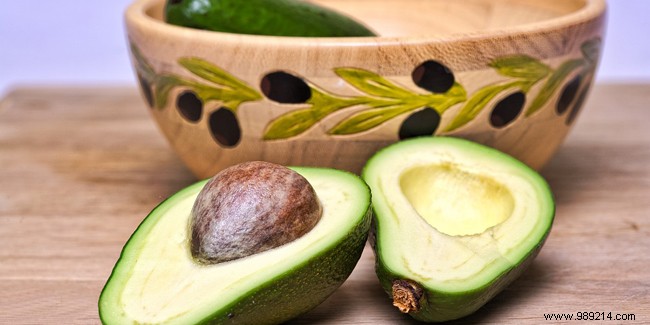
Don't let its creamy texture fool you—avocados deliver heart-healthy unsaturated fats that battle cholesterol and support cardiovascular health.
Garlic's benefits are well-documented; it reliably lowers cholesterol, especially LDL. Incorporate it regularly into meals.
Cereals help, but oats excel with fiber content. Oat bran's beta-glucan is particularly effective at lowering cholesterol.
Enjoy as porridge with plant milk, in soups, or whole-grain bread.
