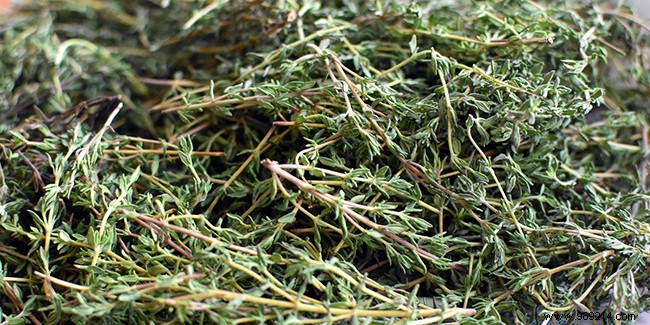
With around 300 varieties of thyme, the common thyme stands out as the most widely used. This aromatic herb thrives wild in southern France's scrublands and elevates countless dishes while offering potent medicinal properties. It eases intestinal, digestive, and respiratory issues, acts as a natural anti-infective, and bolsters the immune system.
Belonging to the Lamiaceae family, thyme appears in essential oils, syrups, infusions, or tinctures. Its use dates back to around 5,000 BC, when ancient Egyptians employed it for embalming. Greeks burned it to purify air, and in the Middle Ages, it combated leprosy and plague. By the 16th century, it stocked apothecaries for numerous ailments.
Common thyme flourishes around the Mediterranean Basin as a compact shrub with sessile leaves on quadrangular stems, rarely exceeding 30 cm. Spikes of small pink flowers bloom from June to October. Drought-tolerant and sun-loving, it clings to rocky terrains up to 1,500 meters and is harvested in August and September.
In phytotherapy, dried leaves and flowers provide the therapeutic essence. Thyme is rich in:
The simplest method is infusion: steep a few grams of dried thyme in boiling water for 10 minutes, strain, and drink up to three times daily. Ideal for angina, rhinitis, sore throats, coughs, or colds.
For serious conditions, consult a doctor first. Complement treatment with thyme essential oil applied topically—dilute as advised. Orally, limit to 5 drops daily. As syrup, take one spoonful three times a day.
Thyme excels against respiratory pathologies, serving as an antiseptic and antifungal. It curbs nasal secretions, prevents cavities, eases toothaches and bad breath (as a mouthwash), and soothes diarrhea, bloating, and colopathies. Topically, it treats wounds, scabies, herpes, fungal infections, and shingles, with benefits for rheumatism and osteoarthritis.
Remarkably low in allergens, thyme suits most in herbal practice. Essential oils require expert dosing. Note its emmenagogue and abortifacient potential from thymol—avoid during pregnancy.
Thyme's vitamin K aids clotting, so those on anticoagulants should use sparingly. Not recommended for pregnant women.
Undiluted essential oil may irritate sensitive mucous membranes. Avoid if on antihypertensive treatment. No known drug or plant interactions reported.
Extensive research validates thyme's anti-infective prowess across forms. A 2007 study showed its aqueous extract reduces oral bacterial adhesion. Others confirm antibacterial action against staphylococci, streptococci, and fungi, plus anti-inflammatory effects. Trials demonstrate efficacy against herpes, rapid bronchitis relief, and more.
Pair thyme with oregano, cinnamon, or cloves for flu prevention; ginger or turmeric for immunity. Always seek your doctor's advice, especially if symptoms persist beyond three days.
