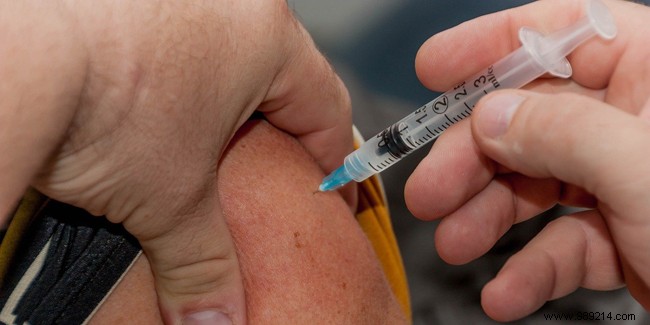
Amid the ongoing COVID-19 pandemic, which has profoundly impacted global health, economies, and societies—and with vaccines developed at unprecedented speed—it's a powerful reminder of vaccination's proven track record. As public health experts from the World Health Organization (WHO) affirm, vaccines have eradicated several deadly diseases, including polio and diphtheria in France.
The evidence is compelling. Globally, vaccines have eliminated smallpox—no cases reported since 1977. In France, polio and diphtheria have also vanished thanks to widespread immunization.
According to the WHO, vaccinations prevent nearly 3 million deaths annually from severe illnesses. They not only protect individuals but also create community immunity against dangerous viruses and bacteria.
Polio, caused by viruses spread through contaminated food, water, or drinks, was once a leading cause of childhood paralysis and death. Since the vaccine's introduction, no cases have been detected in France since 1997. With no curative treatment available, vaccination remains the sole defense, which is why polio is a notifiable disease in France to prevent resurgence.
Diphtheria provides another stark example. This bacterial infection, highly contagious via coughing or sneezing, killed thousands of children in the early 20th century. Mandatory vaccination since 1945 has eradicated it in France, and like polio, it requires mandatory reporting.
In France, many serious diseases are on the brink of eradication thanks to vaccines, but the pathogens persist worldwide. Sustained high vaccination rates are essential to keep them at bay, especially as coverage wanes in some areas.
Tetanus, for instance, is exceedingly rare in France but still occurs occasionally, mainly among the unvaccinated.
Polio persists in regions like parts of Africa and Asia with low vaccination rates. Travelers to these areas must be vaccinated to avoid infection and importation back to France.
Diphtheria lingers in Southeast Asia and Africa, underscoring the need for vaccination among travelers to prevent both personal risk and reintroduction to protected populations.
Vaccine hesitancy, rising in France and other developed nations, threatens these gains. As the Infovac-France platform warns, "the risks of tetanus, whooping cough, meningitis, measles, rubella, mumps, hepatitis A and B, chickenpox, flu, or uterine cancer persist," despite effective vaccines available.
