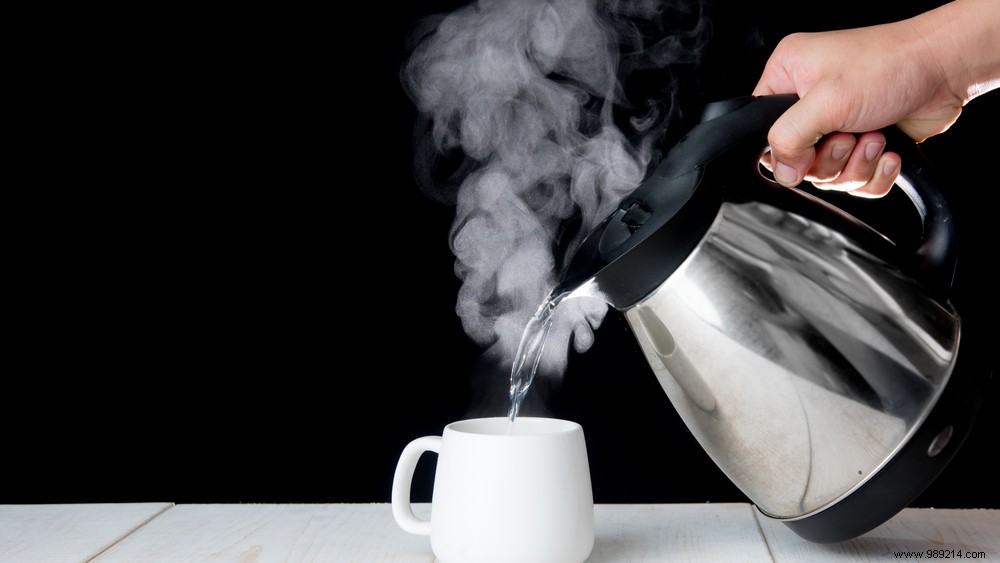
Ever have leftover boiled water and wonder if it's safe to reboil it? Many worry it could become harmful. Health experts have clarified the facts.
Read also: 'In which countries can you drink tap water?'
Concerns often focus on substances like fluoride, arsenic, and nitrates, which may concentrate if water cools and reheats. High nitrate exposure at elevated temperatures is linked to cancer risks, while excess arsenic can cause health issues. Too much fluoride might lead to neurological problems or cognitive delays in children. But is reboiling everyday tap water truly dangerous? Let's examine the evidence.
Nitrate risks from reboiling are negligible in high-quality water supplies. Nitrates only pose harm under extreme heat and pre-existing pollution. In the Netherlands, stringent water standards ensure minimal nitrate contamination.
Fluoride levels are strictly regulated, with a maximum of 1.1 milligrams per liter allowed in Dutch tap water. U.S. research indicates health risks only emerge at intakes of 2 to 10 grams—far beyond what's possible from normal consumption.
Acute arsenic poisoning requires massive doses; Australian studies show a 75kg adult would need about 0.45 grams. Typical tap water contains just 50 to 100 micrograms per liter—one millionth of a gram.
Reboiling previously boiled water is perfectly safe. It would take consuming around 10,000 liters to reach risky levels. Stick to trusted water sources, and there's no need to worry.
