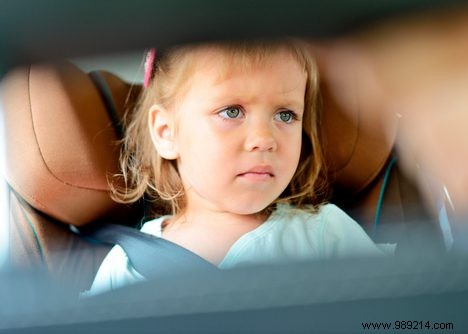
Planning a family trip? Discover practical strategies to keep motion sickness at bay and ensure a smoother journey for your kids.
What Causes Motion Sickness? Also known as travel sickness, this encompasses carsickness, airsickness, and seasickness. It occurs when your eyes register movement different from what your inner ear and body sense. This confuses the vestibular system—the balance organs that send signals to the brain and muscles—leading to nausea. Common symptoms include yawning, sweating, fatigue, headaches, and dizziness. Children are more prone due to their developing vestibular systems, and backseat positioning often limits horizon views, triggering symptoms faster.
Proven Prevention Tips
Start with light, frequent snacks like yogurt, sandwiches, or fruit before travel—avoid heavy meals. Crack a window for fresh air. As the driver, maintain smooth acceleration and braking. Distract with games to pass time until breaks; stop every 2 hours to walk or play.
Key Tip: Focus on the Horizon
Skip screens like tablets or phones, as they exacerbate nausea by conflicting with motion cues. Encourage gazing at the horizon for a stable visual anchor. Position kids to see out—use booster seats and avoid blocking windows with towels or sunscreens.
Effective Over-the-Counter Remedies
Options like cinnarizine or meclizine effectively curb dizziness and nausea. Use child-appropriate lower doses (tablets can be split). Administer on schedule. Note: Cinnarizine doubles as an antihistamine for allergies like hives or itching—ideal for your travel kit.
