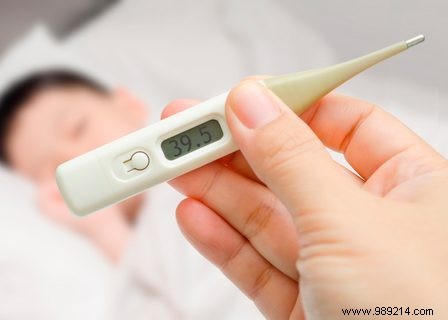
A fever can leave you feeling miserable, and it's especially concerning when your child is affected. Here's expert guidance on what to do (and not do), plus clear signs for when to seek medical help.
What is a fever? Fever occurs when your body temperature rises above the normal range of 36.5–37.5°C (97.7–99.5°F). It can climb significantly higher during illness.
Why does fever happen? Often triggered by infection, fever is your body's natural defense. Elevated temperature inhibits bacterial growth, helping fight off invaders effectively.
Best way to measure temperature?
Rectal measurement provides the most accurate reading, especially in young children.
How to manage a fever at home?
Rest comfortably under light covers. Stay well-hydrated—fever increases fluid loss. Watch closely for dehydration in children, such as dry mouth or reduced urine output.
Should you panic with a fever? Your overall symptoms matter more than the temperature alone. Mild fever without other issues is usually not alarming.
When to consult a doctor? Seek care if fever persists, follows travel to tropical areas, results from injury, causes confusion, accompanies other symptoms, or exceeds 40°C (104°F).
Fever in babies and children
For infants, contact a doctor at 38°C (100.4°F) or with any other signs. In older kids, watch for persistent crying, rash, breathing issues, lethargy, vomiting, or diarrhea.
When in doubt, always call your doctor.
