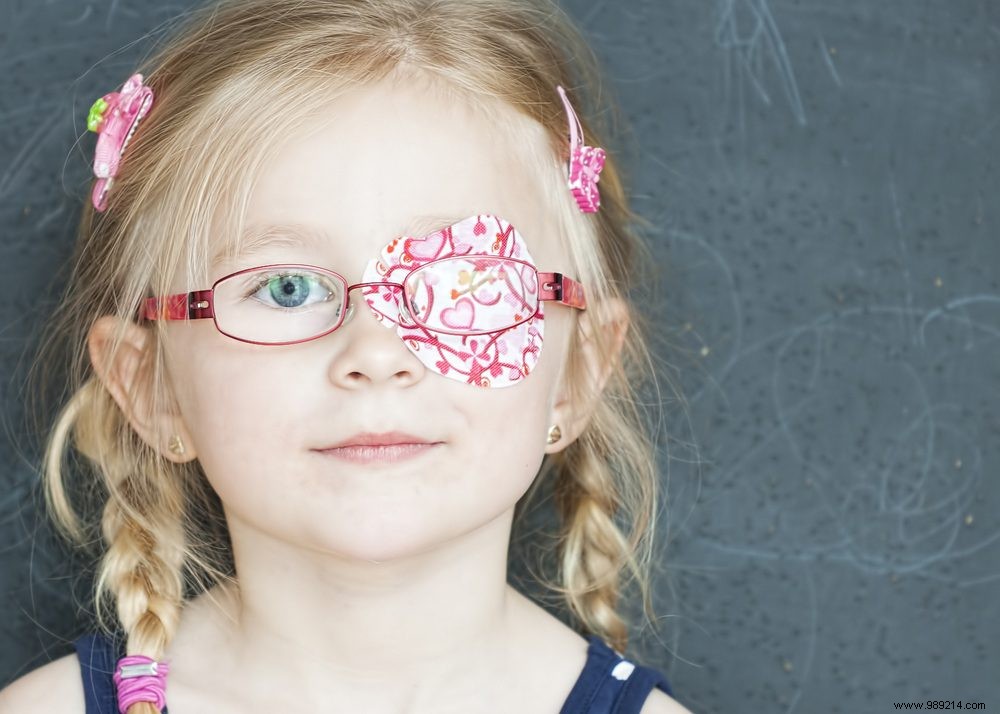
You may have heard the term "lazy eye," but what does it truly mean?
Lazy eye, medically known as amblyopia, affects an eye that can physically see but has a weakened or absent connection to the brain. In effect, vision depends on the stronger eye alone. This issue stems from improper eye development in childhood. In the Netherlands, all children undergo screening for lazy eye, and training-based treatment works best when started early.
How Does a Lazy Eye Develop?
It typically arises when the brain receives mismatched images from both eyes—for instance, due to squinting or a size difference between eyes. Unable to merge these conflicting inputs, the brain ignores the signal from one eye to resolve the confusion.
Did you know… 4 in 100 adults have a lazy eye.
