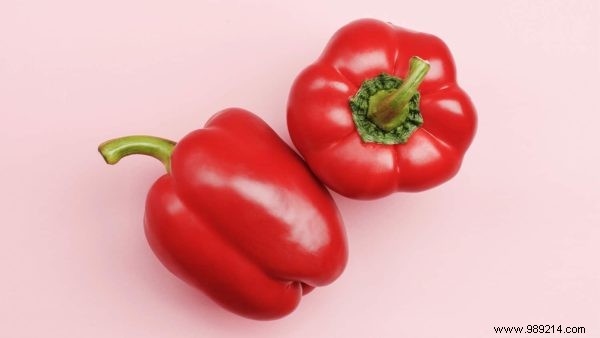
Nightshades belong to the Solanaceae plant family, which includes common vegetables like tomatoes, eggplants, peppers, and potatoes. While nutritious, some people eliminate these from their diets due to potential sensitivities.
Many nightshade plants contain natural toxins called alkaloids. Although ripe fruits and vegetables are safe and edible, traces of these compounds remain. Potatoes, for instance, produce solanine when exposed to light, especially in the skin and sprouts—that's why storing them in a dark place and removing any green spots or sprouts is essential. Green tomatoes similarly contain tomatine.
In small amounts, these alkaloids pose no issue, and the health benefits of nightshade vegetables—rich in vitamins, antioxidants, and fiber—far outweigh any risks for most people. However, in larger quantities, they can cause gastrointestinal upset, diarrhea, fatigue, or even joint inflammation. Sensitive individuals might notice mouth tingling or skin rashes after consumption.
For the vast majority, nightshades are perfectly safe and beneficial. Suspect a sensitivity? Try eliminating them from your diet for a few weeks. If symptoms improve, reintroduce gradually. Returning complaints strongly suggest a true intolerance.
