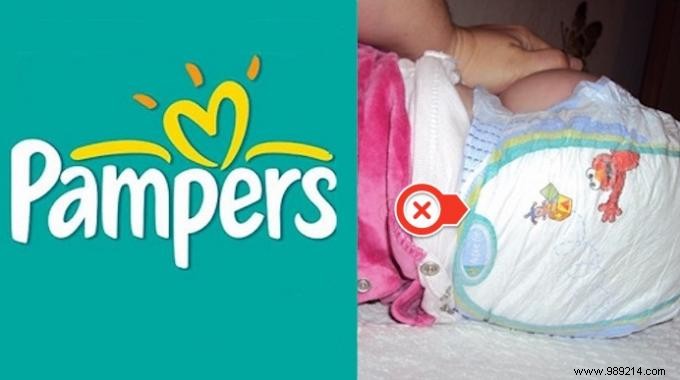
Pampers is a household name in baby care, dominating the disposable diaper market for its convenience and reliability.
However, independent lab tests reveal a concerning side: many popular brands, including Pampers, contain petroleum-derived chemicals with potential health risks for infants.
Pampers isn't alone—a comprehensive investigation by the French consumer magazine 60 Millions de Consommateurs tested 12 disposable diaper models and found toxic or carcinogenic substances in nearly all.

Key findings include polycyclic aromatic hydrocarbons (PAHs) like benzanthracene and chrysene—petroleum byproducts classified as probable carcinogens—in Pampers and other leading brands.
Additional contaminants detected: glyphosate, volatile organic compounds (VOCs), and dioxins, all categorized as probable or proven carcinogens.
Frustratingly, no regulations mandate full ingredient disclosure on diaper packaging, leaving parents uninformed.
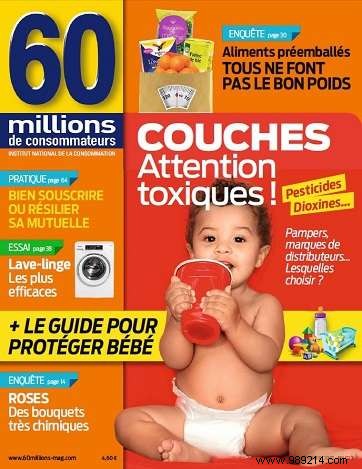
Should parents worry? Ludivine Ferrer, director of the Association pour la Sauvegarde de l'Enfance et de la Famille (ASEF), warns of significant, insidious risks. These chemicals may contribute to rising chronic conditions like cancer and infertility in children.
Critically, such substances aren't necessary for diaper production—safer options prove it.
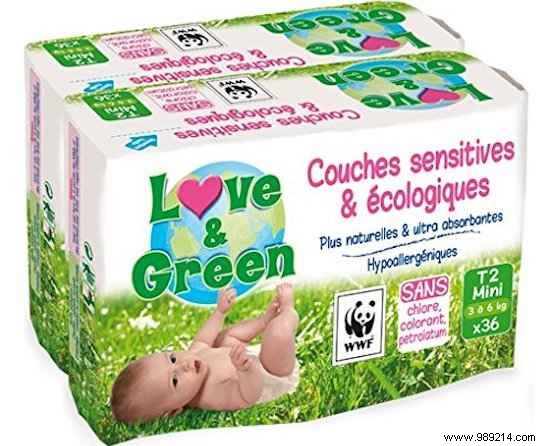
Thankfully, cleaner choices exist. No harmful chemicals were found in Love & Green diapers or Leclerc's Mots d'Enfants line, according to the tests.
These brands demonstrate diapers can be made safely without compromising performance.
Another eco-friendly option: washable cloth diapers, which protect baby health while reducing environmental impact.
