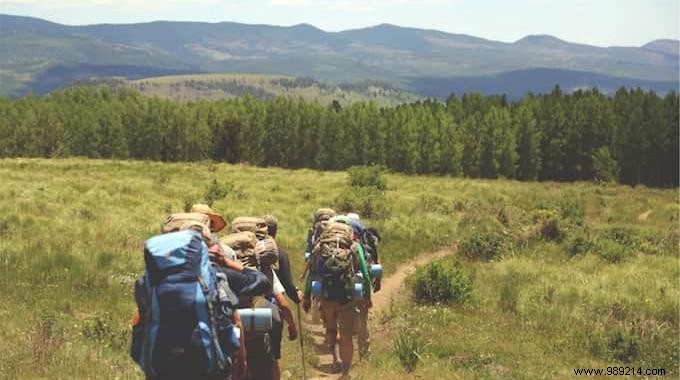
"The peace of nature will flow through your body, like the rays of the sun cross the trees. The winds will blow their coolness into you, and the storms their energy, while cares will fall like autumn leaves."
In his book Our National Parks, John Muir captured the profound benefits of time in nature. As experienced hikers and wellness advocates, we've seen firsthand how hiking nourishes body, mind, and soul.

Picture yourself on a forest trail: observing vibrant birds and foliage, inhaling the fresh scent of spruces and pines, listening to a gentle stream. These nature walks clear the mind and foster lasting well-being, backed by extensive research on mental health.
Here are five scientifically proven health benefits of hiking:

Constant rumination on negative thoughts fuels anxiety, depression, compulsive behaviors, and even PTSD. Researchers at Stanford University tested hiking's impact, comparing 90-minute walks in natural versus urban settings.
Participants in nature experienced significantly less mental rumination and reduced activity in the ventromedial prefrontal cortex—a brain region linked to mental disorders. Urban walkers saw no such benefits. With urbanization tied to higher depression rates, time in green spaces offers a vital counterbalance, minimizing stress, noise, and distractions.
Explore further: 12 Toxic Thoughts To Avoid For A Better Life.

Psychology professors Drs. Atchley and Strayer found that disconnecting from tech during a four-day hike enhanced creativity. Participants, banned from smartphones and devices, improved complex problem-solving performance by 50%.
Urban noise and constant connectivity drain mental energy. Hiking restores focus, quiets the mind, and sharpens problem-solving—ideal for combating tech-induced fatigue.

Attention Deficit Hyperactivity Disorder (ADHD) affects focus, impulse control, and behavior in children. Yet, research by Drs. Kuo and Faber Taylor shows green space activities significantly reduce symptoms.
Simple outings—like walks in nature, playing in parks, or viewing greenery—improve attention and reduce impulsivity, offering accessible relief for families.
Explore further: 10 Things To Stop Saying To Your Kids (and What To Say Instead).

"A healthy mind in a healthy body" rings true with hiking. A one-hour trek burns 400-700 calories, stressing joints far less than running, while promoting year-round adherence.
University of British Columbia studies confirm aerobic activities like hiking boost hippocampal volume, enhancing memory and cognition—especially in older adults. It also cuts stress, builds confidence, and releases endorphins for euphoria and well-being.

Forward-thinking physicians issue "nature prescriptions" to lower stress, anxiety, and depression. Programs like California's "Healthy Parks Healthy People" integrate parks into healthcare, supported by studies on exercise and nature's synergy.

Hiking is accessible, affordable, and family-friendly. As seasoned guides, here's how to begin safely:
